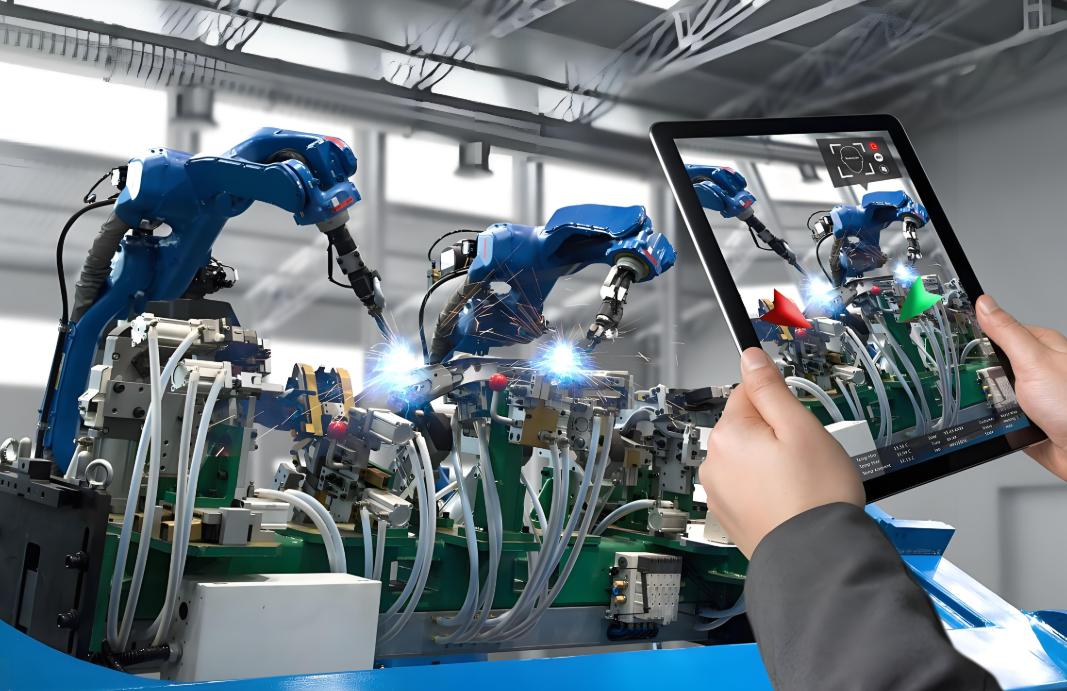
Improvements in Engineering Design Services have been driven by the integration of advanced technologies, design methodologies, and tools to enhance efficiency, accuracy, creativity, and collaboration of the design process. These improvements have led to more innovative, cost-effective, and sustainable designs. The key categories of improvement in engineering design services include:
1. Computer-Aided Design (CAD) and Simulation Tools
3D CAD Software: Modern CAD tools, such as SolidWorks, AutoCAD, and PTC Creo, enable the creation of complex 3D models, improving precision and visualization. These tools allow for faster prototyping and design iterations with better accuracy.
Generative Design: Generative design software leverages AI algorithms to create optimized, innovative design solutions based on given constraints (e.g., weight, material, cost). It allows engineers to explore multiple design possibilities quickly and find the most efficient solution.
Simulation and Analysis: Tools like ANSYS, Simulink, and COMSOL have enhanced simulation capabilities for analyzing stress, fluid flow, thermal conditions, and electromagnetic performance. These tools enable engineers to test designs virtually before physical prototypes are created, reducing costly errors and improving performance.
Finite Element Analysis (FEA): Improvements in FEA software allow engineers to perform more complex simulations on structures and components, identifying weaknesses or potential failures in designs without the need for physical testing.
2. Building Information Modeling (BIM)
Collaborative BIM Tools: BIM tools like Autodesk Revit, Navisworks, and BIM 360 facilitate real-time collaboration among architects, engineers, and contractors. These tools allow for better visualization, coordination, and project management, especially in building design and construction projects.
Integrated Project Delivery (IPD): BIM integrated with IPD improves communication and decision-making across the project lifecycle, leading to faster construction timelines, fewer conflicts, and reduced costs.
3. Product Lifecycle Management (PLM)
PLM Software: Tools like Siemens Teamcenter, Autodesk Fusion Lifecycle, and PTC Windchill enable organizations to manage the entire lifecycle of a product, from design and manufacturing to service and end-of-life. These platforms provide centralized data storage, improved collaboration, and streamlined workflows across teams.
Version Control and Documentation: PLM tools help manage revisions, version control, and documentation, ensuring that everyone involved in the design and manufacturing process has access to the latest information.
4. Collaboration and Cloud-Based Platforms
Cloud Collaboration Tools: Platforms such as Autodesk Fusion 360, Onshape, and SolidWorks 3DEXPERIENCE allow design teams to collaborate in real time, regardless of location. Cloud-based platforms have improved access to design files, ensuring all stakeholders are on the same page and can contribute seamlessly to the project.
Virtual Prototyping: Cloud-based simulations allow for virtual prototyping and testing of designs, reducing the need for physical prototypes and improving iteration speed.
5. Artificial Intelligence (AI) and Machine Learning (ML)
AI-Driven Design: AI technologies are now being incorporated into engineering design tools to assist with design optimization, predictive maintenance, and failure analysis. AI can help generate design alternatives, identify inefficiencies, and optimize design parameters to meet specific requirements (e.g., material strength, cost, environmental impact).
ML for Predictive Analytics: Machine learning is used to predict design failures, maintenance needs, and system behaviors, improving the overall design process and increasing reliability.
6. Virtual and Augmented Reality (VR/AR)
Virtual Reality (VR) in Design: VR allows engineers and clients to experience designs in a fully immersive environment, helping them better understand spatial relationships and functionality. It is particularly useful in architectural and product design, where visualizing the final design is essential before implementation.
Augmented Reality (AR) for Design Review: AR tools are used to overlay digital design elements onto the physical world. This allows for quick design validation, real-time collaboration, and effective communication of design concepts to clients and stakeholders.
Interactive Design Feedback: VR and AR provide real-time feedback on design features and aesthetics, improving client engagement and decision-making.
7. Sustainability and Green Design
Eco-Friendly Materials and Processes: Advances in material science and the availability of eco-friendly, sustainable materials have significantly improved the ability to design products with a reduced environmental impact. Engineering design services now consider factors such as energy efficiency, recyclability, low emissions, and sustainable sourcing.
Life Cycle Assessment (LCA): Engineers are increasingly using LCA tools to evaluate the environmental impact of their designs over their entire lifecycle, from production to disposal, in order to optimize sustainability and reduce waste.
Energy-Efficient Design: The integration of energy-saving features in product designs, buildings, and systems is a growing trend. For example, designing buildings with advanced insulation, energy-efficient HVAC systems, or solar panels.
8. Advanced Manufacturing Technologies
Additive Manufacturing (3D Printing): Additive manufacturing technologies have revolutionized product design by allowing for more complex geometries and customized designs. This has reduced waste, decreased production lead times, and enabled faster prototyping and testing of designs.
Advanced CNC Machining: Improvements in CNC machining tools have made the manufacturing process faster and more accurate, allowing for high-precision parts to be produced more efficiently, even with complex designs.
Hybrid Manufacturing: Hybrid technologies combine additive and subtractive manufacturing methods, allowing for better material use, speed, and flexibility in creating complex designs.
9. Design for Manufacturability (DFM) and Design for Assembly (DFA)
DFM and DFA Tools: Modern tools help engineers assess the feasibility and cost-effectiveness of their designs in terms of manufacturing and assembly. This ensures that designs are not only functional but also optimized for production efficiency, reducing waste and lowering production costs.
Automated DFM Analysis: AI-powered DFM tools can analyze designs for manufacturing constraints and provide suggestions on how to improve them, reducing the likelihood of issues during production.
10. IoT Integration in Design
Smart Devices and Systems: The Internet of Things (IoT) has expanded the role of engineers in designing interconnected, smart products and systems. This includes incorporating sensors, connectivity, and data analytics capabilities into designs to enable real-time monitoring, performance tracking, and predictive maintenance.
Designing for Connectivity: Engineers are now focused on creating products that are compatible with IoT networks, ensuring ease of integration with other smart devices and systems.
11. Digital Twin Technology
Virtual Replicas of Physical Systems: The concept of a digital twin, or a virtual representation of physical assets or systems, is being integrated into engineering design services. Engineers can simulate, analyze, and optimize the performance of a product or system in real time by using data from its physical counterpart.
Predictive Maintenance and Performance Monitoring: Digital twins are used to monitor the health of systems and predict potential failures, enabling proactive maintenance and better design improvements over time.
12. Customer-Centric Design and Customization
Mass Customization: Advances in manufacturing technologies like 3D printing and CNC machining allow for easier customization of products to meet individual customer needs without compromising on cost or efficiency.
Interactive Design Platforms: New tools allow customers to interact with the design process directly, offering real-time input and feedback to create tailored products that meet specific requirements.
User-Centered Design (UCD): Engineering design services now prioritize user experience and ergonomics, ensuring that products are designed with the end-user in mind to improve functionality, usability, and customer satisfaction.
13. Project Management and Process Optimization
Agile Methodologies in Design: Engineering design services have adopted Agile and Lean principles for improved workflow, rapid iteration, and enhanced collaboration. These methodologies help deliver projects faster, with more flexibility and responsiveness to client needs.
Automated Project Management Tools: Tools like Trello, Asana, and Jira are integrated into the design process to manage tasks, timelines, and resource allocation more effectively, ensuring smooth project execution.
Supply Chain Integration: Advanced software allows for real-time tracking and collaboration with suppliers, ensuring that materials and components are readily available for fabrication and assembly.
14. Regulatory Compliance and Risk Management
Compliance Tools: Modern design tools are integrated with regulatory compliance databases, ensuring that products meet local, national, and international safety standards and environmental regulations.
Risk Analysis and Mitigation: Engineers use sophisticated risk analysis software (e.g., FMEA, HAZOP) to evaluate potential failure modes in designs, reducing risks and improving safety.
Improvements in Engineering Design Services have been driven by the integration of advanced technologies, design methodologies, and tools to enhance efficiency, accuracy, creativity, and collaboration of the design process. These improvements have led to more innovative, cost-effective, and sustainable designs. The key categories of improvement in engineering design services include:
1. Computer-Aided Design (CAD) and Simulation Tools
3D CAD Software: Modern CAD tools, such as SolidWorks, AutoCAD, and PTC Creo, enable the creation of complex 3D models, improving precision and visualization. These tools allow for faster prototyping and design iterations with better accuracy.
Generative Design: Generative design software leverages AI algorithms to create optimized, innovative design solutions based on given constraints (e.g., weight, material, cost). It allows engineers to explore multiple design possibilities quickly and find the most efficient solution.
Simulation and Analysis: Tools like ANSYS, Simulink, and COMSOL have enhanced simulation capabilities for analyzing stress, fluid flow, thermal conditions, and electromagnetic performance. These tools enable engineers to test designs virtually before physical prototypes are created, reducing costly errors and improving performance.
Finite Element Analysis (FEA): Improvements in FEA software allow engineers to perform more complex simulations on structures and components, identifying weaknesses or potential failures in designs without the need for physical testing.
2. Building Information Modeling (BIM)
Collaborative BIM Tools: BIM tools like Autodesk Revit, Navisworks, and BIM 360 facilitate real-time collaboration among architects, engineers, and contractors. These tools allow for better visualization, coordination, and project management, especially in building design and construction projects.
Integrated Project Delivery (IPD): BIM integrated with IPD improves communication and decision-making across the project lifecycle, leading to faster construction timelines, fewer conflicts, and reduced costs.
3. Product Lifecycle Management (PLM)
PLM Software: Tools like Siemens Teamcenter, Autodesk Fusion Lifecycle, and PTC Windchill enable organizations to manage the entire lifecycle of a product, from design and manufacturing to service and end-of-life. These platforms provide centralized data storage, improved collaboration, and streamlined workflows across teams.
Version Control and Documentation: PLM tools help manage revisions, version control, and documentation, ensuring that everyone involved in the design and manufacturing process has access to the latest information.
4. Collaboration and Cloud-Based Platforms
Cloud Collaboration Tools: Platforms such as Autodesk Fusion 360, Onshape, and SolidWorks 3DEXPERIENCE allow design teams to collaborate in real time, regardless of location. Cloud-based platforms have improved access to design files, ensuring all stakeholders are on the same page and can contribute seamlessly to the project.
Virtual Prototyping: Cloud-based simulations allow for virtual prototyping and testing of designs, reducing the need for physical prototypes and improving iteration speed.
5. Artificial Intelligence (AI) and Machine Learning (ML)
AI-Driven Design: AI technologies are now being incorporated into engineering design tools to assist with design optimization, predictive maintenance, and failure analysis. AI can help generate design alternatives, identify inefficiencies, and optimize design parameters to meet specific requirements (e.g., material strength, cost, environmental impact).
ML for Predictive Analytics: Machine learning is used to predict design failures, maintenance needs, and system behaviors, improving the overall design process and increasing reliability.
6. Virtual and Augmented Reality (VR/AR)
Virtual Reality (VR) in Design: VR allows engineers and clients to experience designs in a fully immersive environment, helping them better understand spatial relationships and functionality. It is particularly useful in architectural and product design, where visualizing the final design is essential before implementation.
Augmented Reality (AR) for Design Review: AR tools are used to overlay digital design elements onto the physical world. This allows for quick design validation, real-time collaboration, and effective communication of design concepts to clients and stakeholders.
Interactive Design Feedback: VR and AR provide real-time feedback on design features and aesthetics, improving client engagement and decision-making.
7. Sustainability and Green Design
Eco-Friendly Materials and Processes: Advances in material science and the availability of eco-friendly, sustainable materials have significantly improved the ability to design products with a reduced environmental impact. Engineering design services now consider factors such as energy efficiency, recyclability, low emissions, and sustainable sourcing.
Life Cycle Assessment (LCA): Engineers are increasingly using LCA tools to evaluate the environmental impact of their designs over their entire lifecycle, from production to disposal, in order to optimize sustainability and reduce waste.
Energy-Efficient Design: The integration of energy-saving features in product designs, buildings, and systems is a growing trend. For example, designing buildings with advanced insulation, energy-efficient HVAC systems, or solar panels.
8. Advanced Manufacturing Technologies
Additive Manufacturing (3D Printing): Additive manufacturing technologies have revolutionized product design by allowing for more complex geometries and customized designs. This has reduced waste, decreased production lead times, and enabled faster prototyping and testing of designs.
Advanced CNC Machining: Improvements in CNC machining tools have made the manufacturing process faster and more accurate, allowing for high-precision parts to be produced more efficiently, even with complex designs.
Hybrid Manufacturing: Hybrid technologies combine additive and subtractive manufacturing methods, allowing for better material use, speed, and flexibility in creating complex designs.
9. Design for Manufacturability (DFM) and Design for Assembly (DFA)
DFM and DFA Tools: Modern tools help engineers assess the feasibility and cost-effectiveness of their designs in terms of manufacturing and assembly. This ensures that designs are not only functional but also optimized for production efficiency, reducing waste and lowering production costs.
Automated DFM Analysis: AI-powered DFM tools can analyze designs for manufacturing constraints and provide suggestions on how to improve them, reducing the likelihood of issues during production.
10. IoT Integration in Design
Smart Devices and Systems: The Internet of Things (IoT) has expanded the role of engineers in designing interconnected, smart products and systems. This includes incorporating sensors, connectivity, and data analytics capabilities into designs to enable real-time monitoring, performance tracking, and predictive maintenance.
Designing for Connectivity: Engineers are now focused on creating products that are compatible with IoT networks, ensuring ease of integration with other smart devices and systems.
11. Digital Twin Technology
Virtual Replicas of Physical Systems: The concept of a digital twin, or a virtual representation of physical assets or systems, is being integrated into engineering design services. Engineers can simulate, analyze, and optimize the performance of a product or system in real time by using data from its physical counterpart.
Predictive Maintenance and Performance Monitoring: Digital twins are used to monitor the health of systems and predict potential failures, enabling proactive maintenance and better design improvements over time.
12. Customer-Centric Design and Customization
Mass Customization: Advances in manufacturing technologies like 3D printing and CNC machining allow for easier customization of products to meet individual customer needs without compromising on cost or efficiency.
Interactive Design Platforms: New tools allow customers to interact with the design process directly, offering real-time input and feedback to create tailored products that meet specific requirements.
User-Centered Design (UCD): Engineering design services now prioritize user experience and ergonomics, ensuring that products are designed with the end-user in mind to improve functionality, usability, and customer satisfaction.
13. Project Management and Process Optimization
Agile Methodologies in Design: Engineering design services have adopted Agile and Lean principles for improved workflow, rapid iteration, and enhanced collaboration. These methodologies help deliver projects faster, with more flexibility and responsiveness to client needs.
Automated Project Management Tools: Tools like Trello, Asana, and Jira are integrated into the design process to manage tasks, timelines, and resource allocation more effectively, ensuring smooth project execution.
Supply Chain Integration: Advanced software allows for real-time tracking and collaboration with suppliers, ensuring that materials and components are readily available for fabrication and assembly.
14. Regulatory Compliance and Risk Management
Compliance Tools: Modern design tools are integrated with regulatory compliance databases, ensuring that products meet local, national, and international safety standards and environmental regulations.
Risk Analysis and Mitigation: Engineers use sophisticated risk analysis software (e.g., FMEA, HAZOP) to evaluate potential failure modes in designs, reducing risks and improving safety.
[ Retract  ]
]