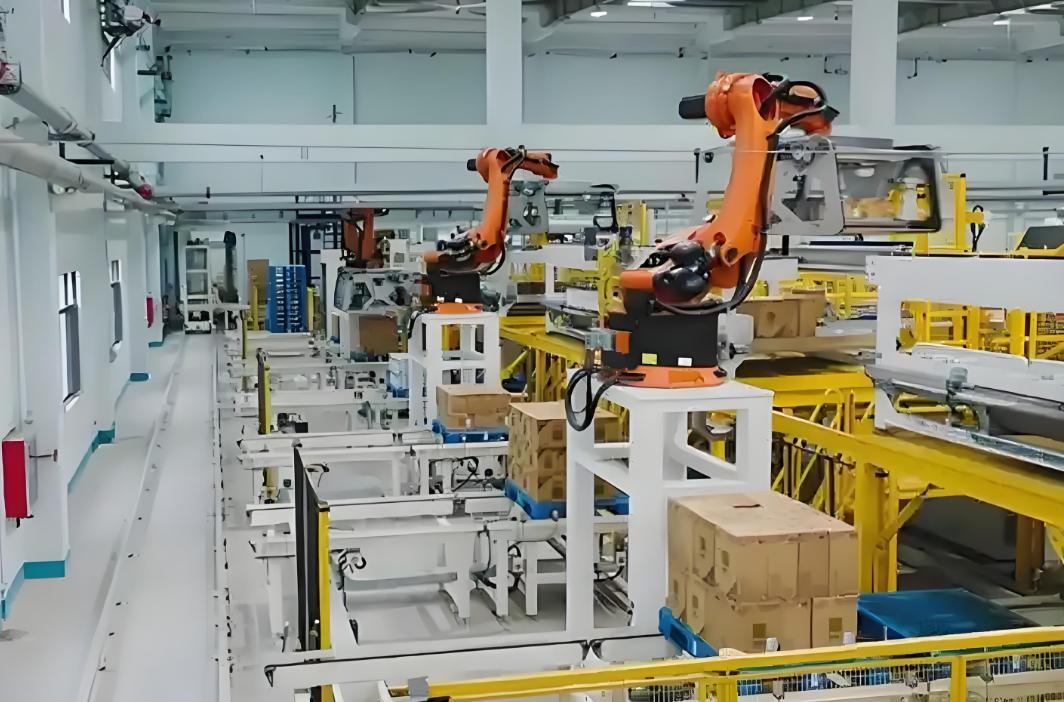
Improvements in Forestry & Paper Products Manufacturing have been driven by technological innovations, sustainability efforts, and better process optimization. These improvements aim to enhance productivity, reduce environmental impact, improve the quality of paper products, and increase operational efficiency. Below are the key categories of improvements in this sector:
1. Sustainable Practices and Environmental Impact Reduction
Sustainable Forestry: Improvements in forestry management practices, such as certified sustainable logging (e.g., FSC certification), ensure that raw materials are sourced responsibly, protecting ecosystems, and promoting biodiversity.
Recycling and Reuse: Increased use of recycled paper in production has reduced the need for virgin wood fibers. The recycling of paper products has become more efficient, with modern technologies allowing for higher-quality recycled paper production.
Alternative Fibers: There is a growing focus on using alternative fibers like bamboo, hemp, and agricultural waste (e.g., wheat straw, rice husks) in paper production. These alternatives help reduce the reliance on wood pulp, making the industry more sustainable.
Water and Energy Conservation: Advances in water recycling technologies and energy-efficient processes (such as cogeneration systems) help reduce water usage and energy consumption, reducing the environmental footprint of paper mills.
Closed-Loop Systems: Paper mills are increasingly adopting closed-loop water systems, minimizing water waste and contamination, improving water treatment efficiency, and reducing water consumption.
2. Technological Advancements in Manufacturing
Automation and Robotics: The integration of automated systems and robotics in paper manufacturing processes, such as pulping, paper forming, and finishing, has led to increased production efficiency, better quality control, and reduced labor costs.
Digitalization and IoT: The adoption of Internet of Things (IoT) technology and digitalization in paper mills allows for real-time monitoring of machinery performance, quality control, and supply chain management. Data collected through sensors helps optimize production processes and improve decision-making.
Advanced Paper Machines: Modern paper machines, with higher speeds, larger widths, and better precision, allow for the production of high-quality paper with improved surface finishes and smoother textures. These machines also enable the production of more specialized paper products.
Advanced Pulping Technologies: Innovations like enzymatic pulping and high-efficiency pulping processes have improved the quality of pulp, reduced energy consumption, and decreased chemical usage in paper mills.
3. Process Optimization and Efficiency
Lean Manufacturing: The adoption of lean manufacturing principles has helped paper mills reduce waste, optimize workflows, and improve operational efficiency. By eliminating unnecessary steps and streamlining processes, paper mills can increase throughput and reduce costs.
Energy Efficiency Improvements: Many paper mills are implementing energy-efficient equipment and technologies to reduce overall energy consumption. For example, high-efficiency motors, variable frequency drives, and waste-heat recovery systems help mills operate more efficiently, saving energy and reducing costs.
Waste Reduction and By-Product Utilization: Advanced methods of handling waste products (e.g., biomass or black liquor from the pulping process) are being used to generate renewable energy or as raw material for other industries. This reduces waste disposal costs and improves overall sustainability.
Process Control Systems: The use of advanced control systems and machine learning algorithms allows paper manufacturers to optimize the various stages of production, including pulping, bleaching, pressing, and drying. These systems lead to more consistent product quality and reduced operational downtime.
4. Product Quality and Customization
Coated and Specialized Paper: The development of new coating technologies and functional additives allows for the production of paper with enhanced properties such as improved printability, durability, and water resistance. These improvements have led to the rise of specialty papers used in applications like packaging, labels, and high-end printing.
Nanocellulose and Smart Paper: Research into nanocellulose technology has led to the creation of ultra-strong, lightweight, and flexible paper products. Additionally, smart paper (paper integrated with electronic components or sensors) has opened new avenues for packaging and product tracking.
Better Surface Finishes: Innovations in surface treatment processes, such as calendering, coating, and supercalendering, have resulted in smoother and more uniform paper surfaces, improving print quality and tactile properties.
5. Supply Chain and Logistics Management
Supply Chain Optimization: The integration of advanced forecasting tools, inventory management systems, and transportation management software has helped paper product manufacturers better manage supply chains, reduce lead times, and ensure a reliable supply of raw materials.
Just-In-Time (JIT) Manufacturing: The JIT approach, which reduces excess inventory and promotes efficiency in production, has been increasingly adopted in the paper industry to minimize waste, lower storage costs, and enhance product delivery speed.
Sustainable Packaging: The push for eco-friendly packaging has led paper manufacturers to innovate in packaging solutions that are biodegradable, recyclable, and compostable. This shift aligns with global demands for reducing single-use plastics and promoting sustainability in the packaging industry.
6. Wastewater Treatment and Pollution Control
Efficient Wastewater Treatment: Advances in wastewater treatment technologies, such as membrane filtration, biological treatment systems, and advanced oxidation, help paper mills clean and recycle water more effectively. This reduces the impact on local water sources and ensures compliance with environmental regulations.
Emission Reduction: Paper mills are incorporating cleaner technologies and best practices to reduce emissions, particularly those related to sulfur compounds, particulates, and volatile organic compounds (VOCs). For example, the use of scrubbers and electrostatic precipitators has helped reduce air pollution.
Closed-Loop Pulping Systems: Closed-loop pulp systems reduce water and chemical waste by recycling water and chemicals within the mill, improving the sustainability of the pulp production process.
7. Advanced Paper Recycling Technologies
Deinking Technologies: Innovations in deinking (the process of removing ink from recycled paper) have enabled higher-quality paper to be produced from recycled materials. Improved deinking methods result in cleaner, brighter paper products.
Hydropulping and Thermomechanical Pulping (TMP): New recycling processes like hydropulping and TMP allow for higher-quality fibers to be recovered from recycled paper, improving the efficiency of the recycling process and the quality of the final product.
8. Automation and Control Systems
Robotics and AI Integration: Robotics and AI are being integrated into production lines for tasks such as picking, sorting, and packing paper products. These technologies help reduce labor costs, improve efficiency, and increase the consistency of paper production.
Smart Sensors: The use of smart sensors in paper mills allows for real-time monitoring of process parameters, such as temperature, pressure, and humidity, ensuring that the paper manufacturing process stays within optimal conditions for quality production.
Advanced Predictive Maintenance: Machine learning-based predictive maintenance technologies are being used to monitor equipment health and predict failures before they occur, reducing downtime and repair costs.
9. Health and Safety Enhancements
Workplace Safety Technologies: The integration of safety sensors, wearable safety devices, and remote monitoring systems helps reduce the risk of accidents in paper mills. These technologies ensure worker safety, particularly in hazardous areas where heavy machinery and high-temperature processes are used.
Improved Personal Protective Equipment (PPE): Advances in PPE, such as heat-resistant gloves, high-visibility clothing, and respirators, protect workers in harsh environments, reducing the risk of injury and exposure to hazardous chemicals.
10. Advanced Packaging Solutions
Smart Packaging: Paper packaging is being enhanced with QR codes, RFID tags, and smart sensors that provide product information, traceability, and interactivity with consumers. These innovations are particularly popular in the food, beverage, and logistics industries.
Sustainable Packaging: Innovations in paper-based packaging materials are helping reduce the environmental impact of packaging. For example, the use of biodegradable coatings and water-based adhesives makes paper packaging more eco-friendly.
11. Product Design and Customization
Tailored Paper Products: The ability to customize paper products for specific uses (e.g., specialty papers for printing, packaging, or industrial applications) has been improved by advanced manufacturing processes, enabling more personalized and diverse offerings for different industries.
High-Quality Specialty Papers: Advances in paper coating and finishing processes have allowed for the production of high-end specialty papers used in applications like luxury packaging, high-quality printing, and security papers.
12. Market Expansion and New Product Development
Diversification of Product Lines: Paper manufacturers are developing new product lines, such as biodegradable paper products, tissue papers, and kraft papers for sustainable packaging solutions.
Customization for Niche Markets: Paper products are being increasingly customized for niche markets such as digital printing, fine arts, and medical applications, where specific attributes like texture, thickness, and finish are required.
Improvements in Forestry & Paper Products Manufacturing have been driven by technological innovations, sustainability efforts, and better process optimization. These improvements aim to enhance productivity, reduce environmental impact, improve the quality of paper products, and increase operational efficiency. Below are the key categories of improvements in this sector:
1. Sustainable Practices and Environmental Impact Reduction
Sustainable Forestry: Improvements in forestry management practices, such as certified sustainable logging (e.g., FSC certification), ensure that raw materials are sourced responsibly, protecting ecosystems, and promoting biodiversity.
Recycling and Reuse: Increased use of recycled paper in production has reduced the need for virgin wood fibers. The recycling of paper products has become more efficient, with modern technologies allowing for higher-quality recycled paper production.
Alternative Fibers: There is a growing focus on using alternative fibers like bamboo, hemp, and agricultural waste (e.g., wheat straw, rice husks) in paper production. These alternatives help reduce the reliance on wood pulp, making the industry more sustainable.
Water and Energy Conservation: Advances in water recycling technologies and energy-efficient processes (such as cogeneration systems) help reduce water usage and energy consumption, reducing the environmental footprint of paper mills.
Closed-Loop Systems: Paper mills are increasingly adopting closed-loop water systems, minimizing water waste and contamination, improving water treatment efficiency, and reducing water consumption.
2. Technological Advancements in Manufacturing
Automation and Robotics: The integration of automated systems and robotics in paper manufacturing processes, such as pulping, paper forming, and finishing, has led to increased production efficiency, better quality control, and reduced labor costs.
Digitalization and IoT: The adoption of Internet of Things (IoT) technology and digitalization in paper mills allows for real-time monitoring of machinery performance, quality control, and supply chain management. Data collected through sensors helps optimize production processes and improve decision-making.
Advanced Paper Machines: Modern paper machines, with higher speeds, larger widths, and better precision, allow for the production of high-quality paper with improved surface finishes and smoother textures. These machines also enable the production of more specialized paper products.
Advanced Pulping Technologies: Innovations like enzymatic pulping and high-efficiency pulping processes have improved the quality of pulp, reduced energy consumption, and decreased chemical usage in paper mills.
3. Process Optimization and Efficiency
Lean Manufacturing: The adoption of lean manufacturing principles has helped paper mills reduce waste, optimize workflows, and improve operational efficiency. By eliminating unnecessary steps and streamlining processes, paper mills can increase throughput and reduce costs.
Energy Efficiency Improvements: Many paper mills are implementing energy-efficient equipment and technologies to reduce overall energy consumption. For example, high-efficiency motors, variable frequency drives, and waste-heat recovery systems help mills operate more efficiently, saving energy and reducing costs.
Waste Reduction and By-Product Utilization: Advanced methods of handling waste products (e.g., biomass or black liquor from the pulping process) are being used to generate renewable energy or as raw material for other industries. This reduces waste disposal costs and improves overall sustainability.
Process Control Systems: The use of advanced control systems and machine learning algorithms allows paper manufacturers to optimize the various stages of production, including pulping, bleaching, pressing, and drying. These systems lead to more consistent product quality and reduced operational downtime.
4. Product Quality and Customization
Coated and Specialized Paper: The development of new coating technologies and functional additives allows for the production of paper with enhanced properties such as improved printability, durability, and water resistance. These improvements have led to the rise of specialty papers used in applications like packaging, labels, and high-end printing.
Nanocellulose and Smart Paper: Research into nanocellulose technology has led to the creation of ultra-strong, lightweight, and flexible paper products. Additionally, smart paper (paper integrated with electronic components or sensors) has opened new avenues for packaging and product tracking.
Better Surface Finishes: Innovations in surface treatment processes, such as calendering, coating, and supercalendering, have resulted in smoother and more uniform paper surfaces, improving print quality and tactile properties.
5. Supply Chain and Logistics Management
Supply Chain Optimization: The integration of advanced forecasting tools, inventory management systems, and transportation management software has helped paper product manufacturers better manage supply chains, reduce lead times, and ensure a reliable supply of raw materials.
Just-In-Time (JIT) Manufacturing: The JIT approach, which reduces excess inventory and promotes efficiency in production, has been increasingly adopted in the paper industry to minimize waste, lower storage costs, and enhance product delivery speed.
Sustainable Packaging: The push for eco-friendly packaging has led paper manufacturers to innovate in packaging solutions that are biodegradable, recyclable, and compostable. This shift aligns with global demands for reducing single-use plastics and promoting sustainability in the packaging industry.
6. Wastewater Treatment and Pollution Control
Efficient Wastewater Treatment: Advances in wastewater treatment technologies, such as membrane filtration, biological treatment systems, and advanced oxidation, help paper mills clean and recycle water more effectively. This reduces the impact on local water sources and ensures compliance with environmental regulations.
Emission Reduction: Paper mills are incorporating cleaner technologies and best practices to reduce emissions, particularly those related to sulfur compounds, particulates, and volatile organic compounds (VOCs). For example, the use of scrubbers and electrostatic precipitators has helped reduce air pollution.
Closed-Loop Pulping Systems: Closed-loop pulp systems reduce water and chemical waste by recycling water and chemicals within the mill, improving the sustainability of the pulp production process.
7. Advanced Paper Recycling Technologies
Deinking Technologies: Innovations in deinking (the process of removing ink from recycled paper) have enabled higher-quality paper to be produced from recycled materials. Improved deinking methods result in cleaner, brighter paper products.
Hydropulping and Thermomechanical Pulping (TMP): New recycling processes like hydropulping and TMP allow for higher-quality fibers to be recovered from recycled paper, improving the efficiency of the recycling process and the quality of the final product.
8. Automation and Control Systems
Robotics and AI Integration: Robotics and AI are being integrated into production lines for tasks such as picking, sorting, and packing paper products. These technologies help reduce labor costs, improve efficiency, and increase the consistency of paper production.
Smart Sensors: The use of smart sensors in paper mills allows for real-time monitoring of process parameters, such as temperature, pressure, and humidity, ensuring that the paper manufacturing process stays within optimal conditions for quality production.
Advanced Predictive Maintenance: Machine learning-based predictive maintenance technologies are being used to monitor equipment health and predict failures before they occur, reducing downtime and repair costs.
9. Health and Safety Enhancements
Workplace Safety Technologies: The integration of safety sensors, wearable safety devices, and remote monitoring systems helps reduce the risk of accidents in paper mills. These technologies ensure worker safety, particularly in hazardous areas where heavy machinery and high-temperature processes are used.
Improved Personal Protective Equipment (PPE): Advances in PPE, such as heat-resistant gloves, high-visibility clothing, and respirators, protect workers in harsh environments, reducing the risk of injury and exposure to hazardous chemicals.
10. Advanced Packaging Solutions
Smart Packaging: Paper packaging is being enhanced with QR codes, RFID tags, and smart sensors that provide product information, traceability, and interactivity with consumers. These innovations are particularly popular in the food, beverage, and logistics industries.
Sustainable Packaging: Innovations in paper-based packaging materials are helping reduce the environmental impact of packaging. For example, the use of biodegradable coatings and water-based adhesives makes paper packaging more eco-friendly.
11. Product Design and Customization
Tailored Paper Products: The ability to customize paper products for specific uses (e.g., specialty papers for printing, packaging, or industrial applications) has been improved by advanced manufacturing processes, enabling more personalized and diverse offerings for different industries.
High-Quality Specialty Papers: Advances in paper coating and finishing processes have allowed for the production of high-end specialty papers used in applications like luxury packaging, high-quality printing, and security papers.
12. Market Expansion and New Product Development
Diversification of Product Lines: Paper manufacturers are developing new product lines, such as biodegradable paper products, tissue papers, and kraft papers for sustainable packaging solutions.
Customization for Niche Markets: Paper products are being increasingly customized for niche markets such as digital printing, fine arts, and medical applications, where specific attributes like texture, thickness, and finish are required.
[ Retract  ]
]