Improvements in furniture manufacturing have been driven by advancements in technology, sustainability initiatives, process optimization, and product customization. These improvements enhance product quality, efficiency, and customer experience, while also responding to the growing demand for sustainable practices and innovative designs. The key categories of improvements in furniture manufacturing include:
1. Sustainability and Eco-Friendly Practices
Sustainable Materials: The use of eco-friendly and sustainable materials such as bamboo, reclaimed wood, recycled plastic, and non-toxic finishes has gained popularity in furniture manufacturing. This helps reduce the environmental impact associated with the sourcing and processing of materials.
Certified Wood Products: The adoption of sustainable forestry practices and certifications such as FSC (Forest Stewardship Council) ensures that wood used in furniture production comes from responsibly managed forests, promoting biodiversity and reducing deforestation.
Non-Toxic Finishes and Paints: Furniture manufacturers are increasingly using low-VOC (volatile organic compounds) finishes and water-based paints to improve air quality, both in manufacturing facilities and for consumers, and to meet environmental standards.
Recycling and Upcycling: The integration of recycling and upcycling practices in the furniture design process allows manufacturers to reuse materials (e.g., wood, metal, plastic) or repurpose old furniture into new products, reducing waste and contributing to a circular economy.
2. Automation and Digitalization
CNC Machining: The use of Computer Numerical Control (CNC) machines allows for precise and automated cutting, drilling, and shaping of wood and other materials. This leads to greater precision, reduced material waste, and improved production speed.
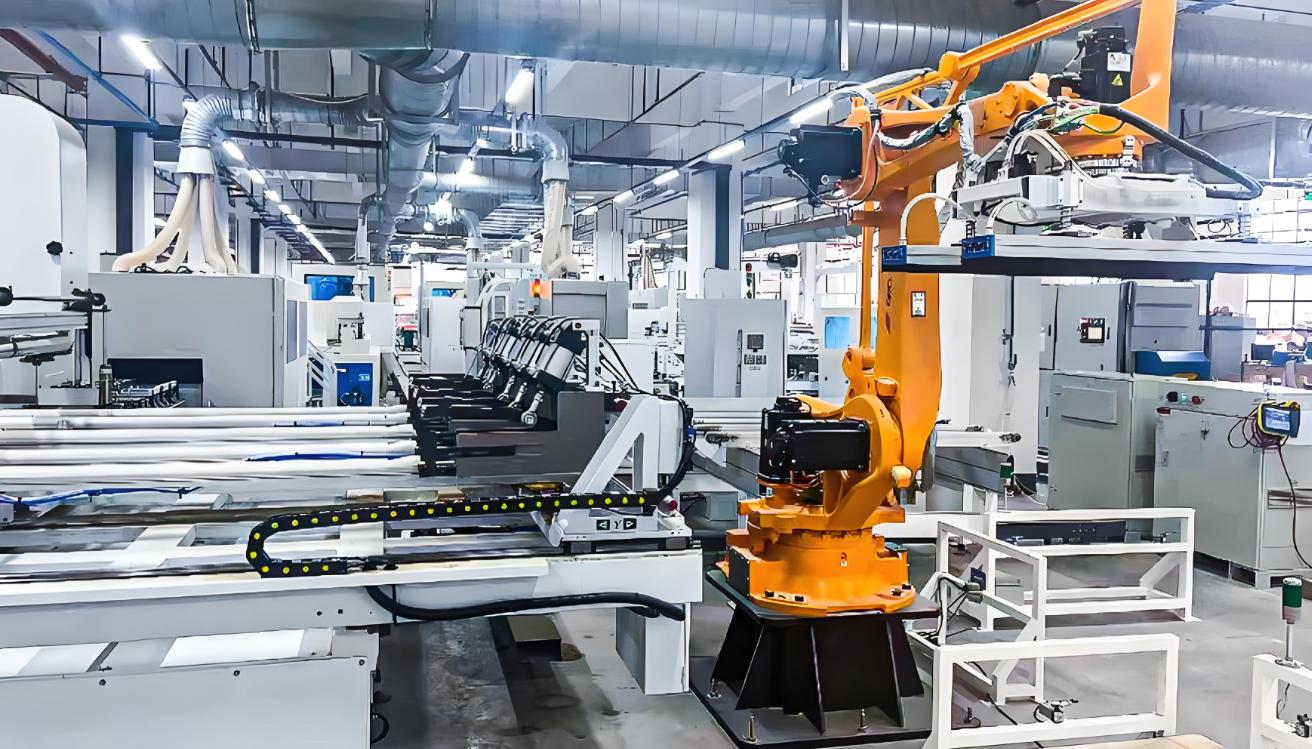
Robotics in Assembly: Robotic systems have been integrated into the assembly process, particularly for repetitive tasks such as screwing, gluing, and packaging. Robots help improve speed, consistency, and reduce labor costs.
3D Printing: 3D printing technologies are being used to create custom furniture parts and prototypes. This allows for rapid prototyping and on-demand manufacturing of unique components, enabling more flexible designs and quicker market response times.
Digital Design and Visualization: CAD (Computer-Aided Design) and 3D modeling software have transformed the design process by allowing designers to visualize and test furniture concepts before production. This ensures greater design accuracy and helps manufacturers avoid costly mistakes.
3. Lean Manufacturing and Process Optimization
Lean Manufacturing Principles: Many furniture manufacturers have adopted lean principles to eliminate waste, streamline operations, and improve efficiency. Lean techniques such as just-in-time (JIT) production, 5S organization, and Kaizen continuous improvement help reduce costs and improve delivery times.
Supply Chain Optimization: Manufacturers are increasingly using real-time data analytics and cloud-based supply chain management systems to improve material tracking, inventory management, and logistics. This leads to reduced lead times and better coordination between suppliers and manufacturers.
Energy Efficiency: Implementing energy-efficient production equipment, such as high-efficiency motors, LED lighting, and solar energy systems, reduces energy consumption in manufacturing plants, lowering operational costs and the carbon footprint of production.
4. Product Customization and Personalization
Mass Customization: Advances in manufacturing technology allow for mass customization of furniture, where customers can select or adjust various design elements such as fabric choices, size, color, and finish. Technologies like CNC machines and digital printing enable the mass production of custom furniture at an affordable price.
Modular Furniture: The trend toward modular furniture designs allows customers to mix and match components to create personalized pieces that suit their specific space and style. This has become particularly popular in office furniture and home living spaces.
Interactive Platforms: Some manufacturers offer interactive online platforms where customers can design and visualize their own furniture pieces, further enhancing the level of personalization. This provides unique customer experience and allows manufacturers to fulfill specific consumer demands.
5. Smart Furniture and Technology Integration
Smart Furniture: The integration of technology into furniture has grown, with products featuring built-in USB ports, wireless charging pads, Bluetooth speakers, smart lighting, and motion sensors. These innovations enhance functionality and convenience, particularly in office furniture and living room furniture.
IoT (Internet of Things) Integration: Furniture items equipped with IoT sensors allow for remote control, usage tracking, and even automated adjustments (e.g., adjustable desks that raise/lower based on user preferences). This provides a more personalized and tech-enhanced experience for consumers.
Ergonomic and Health-Conscious Furniture: Furniture designs are evolving to include features that promote health and well-being, such as adjustable height desks, ergonomic office chairs, and furniture designed to improve posture, comfort, and productivity.
6. Advanced Manufacturing Materials
Composite Materials: The use of composite materials such as engineered wood products (e.g., plywood, MDF, HDF) and carbon fiber has allowed furniture manufacturers to create lightweight, durable, and sustainable products with enhanced performance properties.
New Upholstery Fabrics: Innovations in upholstery materials include stain-resistant fabrics, waterproof coatings, and recycled textiles. Additionally, there is growing use of biodegradable or plant-based fabrics, such as hemp, bamboo, and cork leather, to reduce the environmental impact of furniture products.
Performance Coatings: Advanced coating technologies improve the durability and aesthetic appeal of furniture. This includes scratch-resistant finishes, anti-bacterial coatings, and UV-protective finishes, which increase the lifespan of furniture and make it easier to maintain.
7. Supply Chain Transparency and Traceability
Blockchain for Transparency: Some furniture manufacturers are exploring the use of blockchain technology to provide transparency in their supply chains, ensuring that materials used in furniture production are sustainably sourced and ethically produced.
Tracking and Certification: Digital platforms and RFID tags are being used to track materials throughout the manufacturing process, providing consumers with certification of the origins of materials, such as wood or textiles, and ensuring ethical sourcing.
8. Automation in Finishing Processes
Automated Painting and Coating: The use of automated spray systems and robotic arms for painting and coating ensures a more uniform finish, reduces waste, and speeds up production. These systems also improve the consistency and quality of furniture finishes.
Laser Cutting and Etching: Laser technology is used to create intricate designs, logos, or patterns on furniture surfaces, adding a level of precision and customization that was not previously possible with traditional methods.
9. Furniture Testing and Quality Control
Enhanced Testing Protocols: Furniture manufacturers are adopting advanced testing methods to improve product quality. These include testing for strength, stability, fire resistance, ergonomics, and wear resistance. Computer simulations are also used to model and test the performance of furniture under various conditions.
Quality Control Systems: The use of automated inspection systems and AI-driven quality control helps detect defects or inconsistencies in manufacturing, ensuring that only high-quality products reach the market.
10. Workplace Safety and Labor Efficiency
Ergonomics in Manufacturing: Manufacturers are incorporating ergonomic principles into their production lines, ensuring that workers are comfortable and reducing the risk of injuries. Adjustable workstations, anti-fatigue mats, and ergonomic tools are used to improve workplace safety and efficiency.
Worker-Centric Automation: Rather than replacing workers entirely, some automation solutions are designed to assist workers with heavy lifting, precise cutting, and complex tasks, improving worker efficiency while also reducing physical strain.
11. Design Innovation and Aesthetics
Trendy Designs: Furniture manufacturers are consistently innovating in design, incorporating the latest trends such as minimalism, scandinavian style, mid-century modern, and sustainable, earthy aesthetics. This is driven by market demand for stylish yet practical furniture that matches evolving consumer preferences.
Biophilic Design: There is a growing trend toward biophilic design, where furniture incorporates natural elements like wood, plants, and stone, enhancing the connection between people and nature, especially in office and living spaces.
12. Smart Inventory Management and Production Scheduling
Artificial Intelligence and Machine Learning: AI and machine learning algorithms are being used to predict demand, optimize inventory, and streamline production scheduling, ensuring that furniture manufacturers can respond to customer orders more quickly and efficiently.
Real-Time Tracking Systems: Using RFID or GPS tracking, manufacturers can monitor the movement of raw materials, components, and finished products across the supply chain in real-time. This leads to better coordination, faster deliveries, and reduced waste.
13. Cost Efficiency and Waste Reduction
Lean Manufacturing in Furniture Production: The application of lean manufacturing principles (such as Kanban, value stream mapping, and continuous improvement) helps to reduce waste in the production process, optimize material usage, and lower operational costs.
Material Optimization: Modern software tools assist designers in optimizing material cuts and layouts to minimize waste and improve material yield, further enhancing cost-efficiency and sustainability.
Improvements in furniture manufacturing have been driven by advancements in technology, sustainability initiatives, process optimization, and product customization. These improvements enhance product quality, efficiency, and customer experience, while also responding to the growing demand for sustainable practices and innovative designs. The key categories of improvements in furniture manufacturing include:
1. Sustainability and Eco-Friendly Practices
Sustainable Materials: The use of eco-friendly and sustainable materials such as bamboo, reclaimed wood, recycled plastic, and non-toxic finishes has gained popularity in furniture manufacturing. This helps reduce the environmental impact associated with the sourcing and processing of materials.
Certified Wood Products: The adoption of sustainable forestry practices and certifications such as FSC (Forest Stewardship Council) ensures that wood used in furniture production comes from responsibly managed forests, promoting biodiversity and reducing deforestation.
Non-Toxic Finishes and Paints: Furniture manufacturers are increasingly using low-VOC (volatile organic compounds) finishes and water-based paints to improve air quality, both in manufacturing facilities and for consumers, and to meet environmental standards.
Recycling and Upcycling: The integration of recycling and upcycling practices in the furniture design process allows manufacturers to reuse materials (e.g., wood, metal, plastic) or repurpose old furniture into new products, reducing waste and contributing to a circular economy.
2. Automation and Digitalization
CNC Machining: The use of Computer Numerical Control (CNC) machines allows for precise and automated cutting, drilling, and shaping of wood and other materials. This leads to greater precision, reduced material waste, and improved production speed.
Robotics in Assembly: Robotic systems have been integrated into the assembly process, particularly for repetitive tasks such as screwing, gluing, and packaging. Robots help improve speed, consistency, and reduce labor costs.
3D Printing: 3D printing technologies are being used to create custom furniture parts and prototypes. This allows for rapid prototyping and on-demand manufacturing of unique components, enabling more flexible designs and quicker market response times.
Digital Design and Visualization: CAD (Computer-Aided Design) and 3D modeling software have transformed the design process by allowing designers to visualize and test furniture concepts before production. This ensures greater design accuracy and helps manufacturers avoid costly mistakes.
3. Lean Manufacturing and Process Optimization
Lean Manufacturing Principles: Many furniture manufacturers have adopted lean principles to eliminate waste, streamline operations, and improve efficiency. Lean techniques such as just-in-time (JIT) production, 5S organization, and Kaizen continuous improvement help reduce costs and improve delivery times.
Supply Chain Optimization: Manufacturers are increasingly using real-time data analytics and cloud-based supply chain management systems to improve material tracking, inventory management, and logistics. This leads to reduced lead times and better coordination between suppliers and manufacturers.
Energy Efficiency: Implementing energy-efficient production equipment, such as high-efficiency motors, LED lighting, and solar energy systems, reduces energy consumption in manufacturing plants, lowering operational costs and the carbon footprint of production.
4. Product Customization and Personalization
Mass Customization: Advances in manufacturing technology allow for mass customization of furniture, where customers can select or adjust various design elements such as fabric choices, size, color, and finish. Technologies like CNC machines and digital printing enable the mass production of custom furniture at an affordable price.
Modular Furniture: The trend toward modular furniture designs allows customers to mix and match components to create personalized pieces that suit their specific space and style. This has become particularly popular in office furniture and home living spaces.
Interactive Platforms: Some manufacturers offer interactive online platforms where customers can design and visualize their own furniture pieces, further enhancing the level of personalization. This provides unique customer experience and allows manufacturers to fulfill specific consumer demands.
5. Smart Furniture and Technology Integration
Smart Furniture: The integration of technology into furniture has grown, with products featuring built-in USB ports, wireless charging pads, Bluetooth speakers, smart lighting, and motion sensors. These innovations enhance functionality and convenience, particularly in office furniture and living room furniture.
IoT (Internet of Things) Integration: Furniture items equipped with IoT sensors allow for remote control, usage tracking, and even automated adjustments (e.g., adjustable desks that raise/lower based on user preferences). This provides a more personalized and tech-enhanced experience for consumers.
Ergonomic and Health-Conscious Furniture: Furniture designs are evolving to include features that promote health and well-being, such as adjustable height desks, ergonomic office chairs, and furniture designed to improve posture, comfort, and productivity.
6. Advanced Manufacturing Materials
Composite Materials: The use of composite materials such as engineered wood products (e.g., plywood, MDF, HDF) and carbon fiber has allowed furniture manufacturers to create lightweight, durable, and sustainable products with enhanced performance properties.
New Upholstery Fabrics: Innovations in upholstery materials include stain-resistant fabrics, waterproof coatings, and recycled textiles. Additionally, there is growing use of biodegradable or plant-based fabrics, such as hemp, bamboo, and cork leather, to reduce the environmental impact of furniture products.
Performance Coatings: Advanced coating technologies improve the durability and aesthetic appeal of furniture. This includes scratch-resistant finishes, anti-bacterial coatings, and UV-protective finishes, which increase the lifespan of furniture and make it easier to maintain.
7. Supply Chain Transparency and Traceability
Blockchain for Transparency: Some furniture manufacturers are exploring the use of blockchain technology to provide transparency in their supply chains, ensuring that materials used in furniture production are sustainably sourced and ethically produced.
Tracking and Certification: Digital platforms and RFID tags are being used to track materials throughout the manufacturing process, providing consumers with certification of the origins of materials, such as wood or textiles, and ensuring ethical sourcing.
8. Automation in Finishing Processes
Automated Painting and Coating: The use of automated spray systems and robotic arms for painting and coating ensures a more uniform finish, reduces waste, and speeds up production. These systems also improve the consistency and quality of furniture finishes.
Laser Cutting and Etching: Laser technology is used to create intricate designs, logos, or patterns on furniture surfaces, adding a level of precision and customization that was not previously possible with traditional methods.
9. Furniture Testing and Quality Control
Enhanced Testing Protocols: Furniture manufacturers are adopting advanced testing methods to improve product quality. These include testing for strength, stability, fire resistance, ergonomics, and wear resistance. Computer simulations are also used to model and test the performance of furniture under various conditions.
Quality Control Systems: The use of automated inspection systems and AI-driven quality control helps detect defects or inconsistencies in manufacturing, ensuring that only high-quality products reach the market.
10. Workplace Safety and Labor Efficiency
Ergonomics in Manufacturing: Manufacturers are incorporating ergonomic principles into their production lines, ensuring that workers are comfortable and reducing the risk of injuries. Adjustable workstations, anti-fatigue mats, and ergonomic tools are used to improve workplace safety and efficiency.
Worker-Centric Automation: Rather than replacing workers entirely, some automation solutions are designed to assist workers with heavy lifting, precise cutting, and complex tasks, improving worker efficiency while also reducing physical strain.
11. Design Innovation and Aesthetics
Trendy Designs: Furniture manufacturers are consistently innovating in design, incorporating the latest trends such as minimalism, scandinavian style, mid-century modern, and sustainable, earthy aesthetics. This is driven by market demand for stylish yet practical furniture that matches evolving consumer preferences.
Biophilic Design: There is a growing trend toward biophilic design, where furniture incorporates natural elements like wood, plants, and stone, enhancing the connection between people and nature, especially in office and living spaces.
12. Smart Inventory Management and Production Scheduling
Artificial Intelligence and Machine Learning: AI and machine learning algorithms are being used to predict demand, optimize inventory, and streamline production scheduling, ensuring that furniture manufacturers can respond to customer orders more quickly and efficiently.
Real-Time Tracking Systems: Using RFID or GPS tracking, manufacturers can monitor the movement of raw materials, components, and finished products across the supply chain in real-time. This leads to better coordination, faster deliveries, and reduced waste.
13. Cost Efficiency and Waste Reduction
Lean Manufacturing in Furniture Production: The application of lean manufacturing principles (such as Kanban, value stream mapping, and continuous improvement) helps to reduce waste in the production process, optimize material usage, and lower operational costs.
Material Optimization: Modern software tools assist designers in optimizing material cuts and layouts to minimize waste and improve material yield, further enhancing cost-efficiency and sustainability.
[ Retract  ]
]