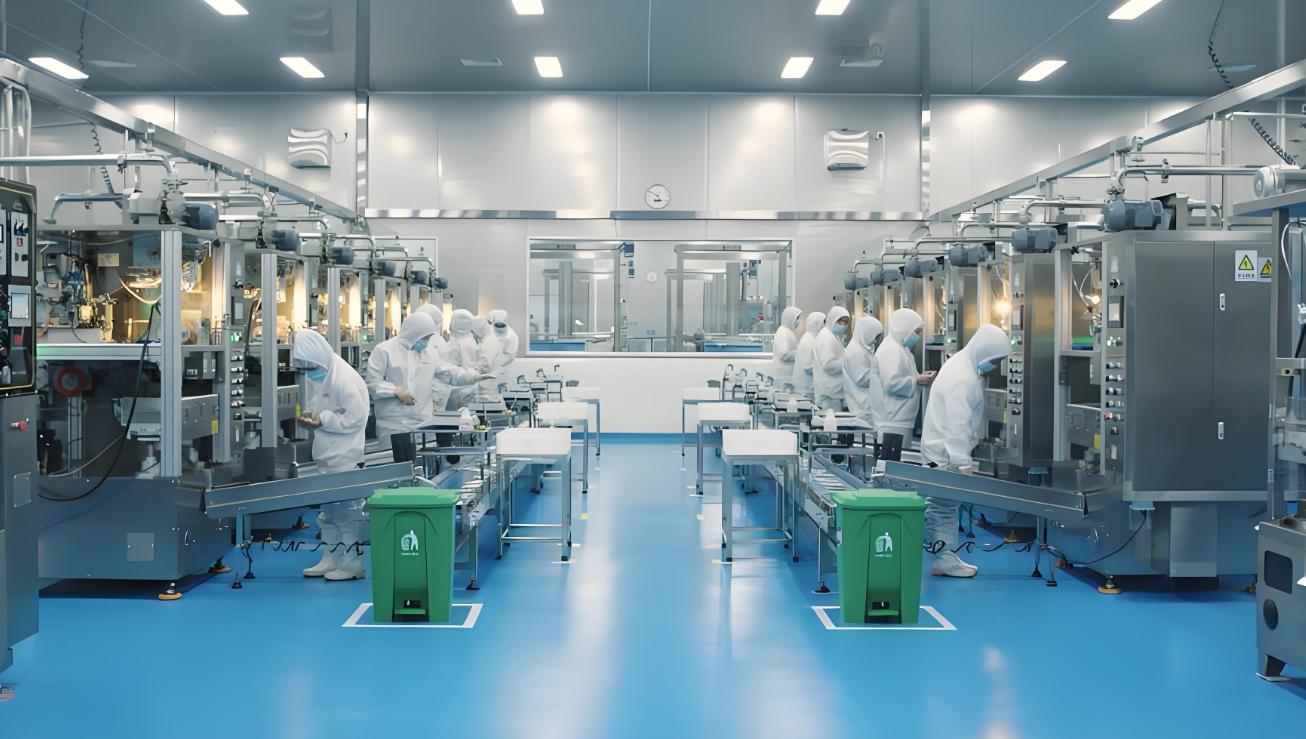
Improvements in Food & Beverage Manufacturing focus on enhancing product quality, improving operational efficiency, ensuring food safety, and meeting growing consumer demand for sustainability and innovation. These improvements are driven by technological advancements, regulatory changes, and shifts in consumer preferences toward healthier, more sustainable products. The main categories of improvements in this sector include:
1. Sustainability and Environmental Impact Reduction
Sustainable Sourcing: Many food and beverage manufacturers are increasingly using sustainably sourced raw materials, such as certified organic ingredients, fair trade products, and locally sourced ingredients, to reduce environmental impact and support local economies.
Energy Efficiency: The adoption of energy-efficient technologies, such as LED lighting, high-efficiency boilers, and heat recovery systems, helps reduce energy consumption in manufacturing plants, lowering costs and the carbon footprint.
Water Conservation: The implementation of water-saving technologies like closed-loop water systems, wastewater recycling, and efficient irrigation systems is critical in reducing water usage, particularly in regions facing water scarcity.
Waste Reduction and Circular Economy: The use of zero-waste production systems and circular economy principles helps reduce food waste and by-product waste, often converting them into valuable resources like biogas, animal feed, or compost.
Packaging Innovation: Manufacturers are adopting eco-friendly packaging solutions, such as biodegradable or compostable materials, minimalist packaging designs, and recyclable packaging, to reduce plastic waste and improve the sustainability of packaging systems.
Carbon Footprint Reduction: Efforts are being made to lower the carbon footprint through strategies like energy-efficient production processes, optimizing transportation logistics, and sourcing ingredients closer to production sites.
2. Food Safety and Quality Control
Improved Food Safety Standards: To meet global food safety standards (e.g., HACCP, ISO 22000), manufacturers are incorporating better hygiene practices, automation, and real-time monitoring systems to ensure the safety and quality of food products.
Traceability and Transparency: Blockchain and RFID technologies are being implemented to track and trace raw materials, ingredients, and finished products throughout the supply chain, improving transparency and helping to ensure product integrity and safety.
Advanced Testing and Diagnostics: Advances in sensor technologies and rapid testing kits help manufacturers detect contaminants, pathogens, and allergens at various stages of production, ensuring high product safety standards and reducing the risk of recalls.
Automation in Quality Control: The use of vision systems, AI-based inspection systems, and robotic sorting improves the consistency and accuracy of product inspections. These systems detect defects or contaminants in real-time, improving product quality and safety.
3. Technological Innovations and Automation
Robotic Systems: Robotic arms and automated systems are used for tasks such as sorting, packaging, palletizing, and labeling. These systems increase production speed, reduce labor costs, and improve operational efficiency while minimizing human error.
CNC Machines and 3D Printing: The use of computer numerical control (CNC) machines and 3D printing for producing precise molds, packaging components, and even food ingredients (e.g., chocolate or dough) has allowed for greater design flexibility and product innovation.
Artificial Intelligence (AI) and Machine Learning: AI and machine learning are used for demand forecasting, inventory management, predictive maintenance, and recipe optimization. These technologies enable food manufacturers to reduce waste, improve efficiency, and ensure consistency in production.
IoT (Internet of Things): IoT sensors enable real-time monitoring of equipment performance, temperature, humidity, and product conditions during production and storage, ensuring optimal conditions for food quality and reducing the risk of spoilage.
Smart Packaging: The incorporation of smart packaging (e.g., QR codes, smart labels, and temperature sensors) allows manufacturers to offer consumers more information, such as expiration dates, nutritional content, and traceability details, improving the overall consumer experience and product transparency.
4. Process Optimization and Efficiency
Lean Manufacturing: The implementation of lean manufacturing techniques (e.g., Just-In-Time (JIT) inventory, 5S methodology, and Kaizen continuous improvement) helps eliminate waste, reduce lead times, and optimize production workflows, resulting in cost savings and faster time-to-market.
Batch Control and Process Automation: Advanced process control systems and automated batching systems are used to optimize mixing, cooking, and packaging processes, ensuring consistency, reducing human error, and increasing production capacity.
Energy Management Systems: The adoption of real-time energy management systems helps monitor and optimize energy use across production lines, ensuring that energy is used efficiently and reducing operational costs.
Predictive Maintenance: Manufacturers are using predictive maintenance tools based on AI and machine learning to monitor machinery performance, predict equipment failures, and schedule maintenance before breakdowns occur, reducing downtime and increasing equipment lifespan.
5. New Product Development and Innovation
Health-Conscious Products: There is a growing demand for healthier food and beverage options, such as low-sugar, low-sodium, gluten-free, plant-based, and functional foods (e.g., foods fortified with vitamins, probiotics, or other nutrients). Manufacturers are innovating to meet these dietary trends by adjusting recipes and using alternative ingredients.
Personalized Nutrition: The food industry is exploring ways to develop personalized nutrition products that cater to individual dietary needs, based on factors like genetics, health conditions, and lifestyle.
Plant-Based and Alternative Proteins: The growth of the plant-based market has driven innovation in plant-based meat alternatives, dairy-free products, and plant protein sources. Companies are using new technologies to improve taste, texture, and nutritional profiles to appeal to both vegetarians and flexitarians.
Functional Beverages: Manufacturers are developing functional beverages that offer health benefits beyond hydration, such as energy drinks, detox drinks, kombucha, and immune-boosting juices.
Clean Label Products: There is increasing consumer demand for clean label products, which have simple, recognizable ingredients. Manufacturers are responding by eliminating artificial additives, preservatives, and chemicals, and using more natural and minimally processed ingredients.
6. Supply Chain and Logistics Management
Blockchain for Transparency: The integration of blockchain technology into the food supply chain allows for better tracking of ingredients from farm to table, ensuring authenticity, reducing fraud, and improving traceability in case of recalls.
Advanced Logistics and Delivery Systems: The use of AI-driven logistics systems, drones, and automated warehouses improves the efficiency of food and beverage distribution, reducing delays and spoilage while ensuring timely deliveries to consumers.
Cold Chain Management: Advanced cold chain technologies, such as refrigerated trucks, temperature-controlled packaging, and smart temperature sensors, ensure that perishable goods are kept at the correct temperature throughout the supply chain, reducing spoilage and waste.
7. Consumer Experience and Customization
Direct-to-Consumer (DTC) Models: Many food and beverage brands are adopting direct-to-consumer models, allowing for more personalized interactions with customers, providing convenient online ordering, and improving customer loyalty through subscription services or customized offerings.
Customization and Personalization: Manufacturers are offering more personalized food options, such as customized flavors, portion sizes, or packaging. This includes products that allow consumers to tailor recipes or make specific dietary adjustments.
Packaging Innovation for Convenience: The development of easy-to-open, resealable, and portion-controlled packaging options enhances the consumer experience, especially for on-the-go products like snacks, beverages, and ready-to-eat meals.
Food Subscription Services: Subscription services for meal kits, snacks, or beverages have become popular, offering consumers convenience, variety, and curated product experiences delivered to their doors regularly.
8. Food Processing Technologies
High-Pressure Processing (HPP): HPP is a non-thermal food preservation technique that uses high pressure to kill harmful pathogens while retaining the flavor, nutrients, and texture of food. It is increasingly used for juices, ready-to-eat meals, and deli meats.
Advanced Fermentation Techniques: Innovations in fermentation technologies are improving the production of fermented foods and beverages like kombucha, yogurt, and sauerkraut, enhancing flavors and extending shelf life while maintaining nutritional value.
Extrusion Technology: The use of extrusion cooking processes allows for the creation of novel food textures and forms, such as in the production of snacks, meat analogs, and breakfast cereals.
Freeze Drying and Dehydration: Freeze-drying and dehydration technologies are used to preserve the nutritional content of foods while extending shelf life, making them popular for instant foods, snacks, and supplements.
9. Workplace Safety and Labor Efficiency
Workplace Safety Innovations: Manufacturers are implementing ergonomically designed equipment and safety monitoring systems to reduce the risk of workplace injuries, especially in food processing environments where workers handle heavy machinery, hot equipment, and chemicals.
Automation to Reduce Labor Costs: Automated systems and robotics reduce the reliance on manual labor for repetitive and physically demanding tasks, improving worker safety and allowing employees to focus on higher-value tasks.
10. Consumer Education and Engagement
Transparency and Traceability: Manufacturers are providing consumers with more detailed product information, such as ingredient sourcing, manufacturing processes, and sustainability efforts, through QR codes and online platforms.
Health and Wellness Campaigns: Brands are focusing on educating consumers about the health benefits of their products, offering information on nutrition, portion control, and dietary choices, often in collaboration with nutritionists or health experts.
Improvements in Food & Beverage Manufacturing focus on enhancing product quality, improving operational efficiency, ensuring food safety, and meeting growing consumer demand for sustainability and innovation. These improvements are driven by technological advancements, regulatory changes, and shifts in consumer preferences toward healthier, more sustainable products. The main categories of improvements in this sector include:
1. Sustainability and Environmental Impact Reduction
Sustainable Sourcing: Many food and beverage manufacturers are increasingly using sustainably sourced raw materials, such as certified organic ingredients, fair trade products, and locally sourced ingredients, to reduce environmental impact and support local economies.
Energy Efficiency: The adoption of energy-efficient technologies, such as LED lighting, high-efficiency boilers, and heat recovery systems, helps reduce energy consumption in manufacturing plants, lowering costs and the carbon footprint.
Water Conservation: The implementation of water-saving technologies like closed-loop water systems, wastewater recycling, and efficient irrigation systems is critical in reducing water usage, particularly in regions facing water scarcity.
Waste Reduction and Circular Economy: The use of zero-waste production systems and circular economy principles helps reduce food waste and by-product waste, often converting them into valuable resources like biogas, animal feed, or compost.
Packaging Innovation: Manufacturers are adopting eco-friendly packaging solutions, such as biodegradable or compostable materials, minimalist packaging designs, and recyclable packaging, to reduce plastic waste and improve the sustainability of packaging systems.
Carbon Footprint Reduction: Efforts are being made to lower the carbon footprint through strategies like energy-efficient production processes, optimizing transportation logistics, and sourcing ingredients closer to production sites.
2. Food Safety and Quality Control
Improved Food Safety Standards: To meet global food safety standards (e.g., HACCP, ISO 22000), manufacturers are incorporating better hygiene practices, automation, and real-time monitoring systems to ensure the safety and quality of food products.
Traceability and Transparency: Blockchain and RFID technologies are being implemented to track and trace raw materials, ingredients, and finished products throughout the supply chain, improving transparency and helping to ensure product integrity and safety.
Advanced Testing and Diagnostics: Advances in sensor technologies and rapid testing kits help manufacturers detect contaminants, pathogens, and allergens at various stages of production, ensuring high product safety standards and reducing the risk of recalls.
Automation in Quality Control: The use of vision systems, AI-based inspection systems, and robotic sorting improves the consistency and accuracy of product inspections. These systems detect defects or contaminants in real-time, improving product quality and safety.
3. Technological Innovations and Automation
Robotic Systems: Robotic arms and automated systems are used for tasks such as sorting, packaging, palletizing, and labeling. These systems increase production speed, reduce labor costs, and improve operational efficiency while minimizing human error.
CNC Machines and 3D Printing: The use of computer numerical control (CNC) machines and 3D printing for producing precise molds, packaging components, and even food ingredients (e.g., chocolate or dough) has allowed for greater design flexibility and product innovation.
Artificial Intelligence (AI) and Machine Learning: AI and machine learning are used for demand forecasting, inventory management, predictive maintenance, and recipe optimization. These technologies enable food manufacturers to reduce waste, improve efficiency, and ensure consistency in production.
IoT (Internet of Things): IoT sensors enable real-time monitoring of equipment performance, temperature, humidity, and product conditions during production and storage, ensuring optimal conditions for food quality and reducing the risk of spoilage.
Smart Packaging: The incorporation of smart packaging (e.g., QR codes, smart labels, and temperature sensors) allows manufacturers to offer consumers more information, such as expiration dates, nutritional content, and traceability details, improving the overall consumer experience and product transparency.
4. Process Optimization and Efficiency
Lean Manufacturing: The implementation of lean manufacturing techniques (e.g., Just-In-Time (JIT) inventory, 5S methodology, and Kaizen continuous improvement) helps eliminate waste, reduce lead times, and optimize production workflows, resulting in cost savings and faster time-to-market.
Batch Control and Process Automation: Advanced process control systems and automated batching systems are used to optimize mixing, cooking, and packaging processes, ensuring consistency, reducing human error, and increasing production capacity.
Energy Management Systems: The adoption of real-time energy management systems helps monitor and optimize energy use across production lines, ensuring that energy is used efficiently and reducing operational costs.
Predictive Maintenance: Manufacturers are using predictive maintenance tools based on AI and machine learning to monitor machinery performance, predict equipment failures, and schedule maintenance before breakdowns occur, reducing downtime and increasing equipment lifespan.
5. New Product Development and Innovation
Health-Conscious Products: There is a growing demand for healthier food and beverage options, such as low-sugar, low-sodium, gluten-free, plant-based, and functional foods (e.g., foods fortified with vitamins, probiotics, or other nutrients). Manufacturers are innovating to meet these dietary trends by adjusting recipes and using alternative ingredients.
Personalized Nutrition: The food industry is exploring ways to develop personalized nutrition products that cater to individual dietary needs, based on factors like genetics, health conditions, and lifestyle.
Plant-Based and Alternative Proteins: The growth of the plant-based market has driven innovation in plant-based meat alternatives, dairy-free products, and plant protein sources. Companies are using new technologies to improve taste, texture, and nutritional profiles to appeal to both vegetarians and flexitarians.
Functional Beverages: Manufacturers are developing functional beverages that offer health benefits beyond hydration, such as energy drinks, detox drinks, kombucha, and immune-boosting juices.
Clean Label Products: There is increasing consumer demand for clean label products, which have simple, recognizable ingredients. Manufacturers are responding by eliminating artificial additives, preservatives, and chemicals, and using more natural and minimally processed ingredients.
6. Supply Chain and Logistics Management
Blockchain for Transparency: The integration of blockchain technology into the food supply chain allows for better tracking of ingredients from farm to table, ensuring authenticity, reducing fraud, and improving traceability in case of recalls.
Advanced Logistics and Delivery Systems: The use of AI-driven logistics systems, drones, and automated warehouses improves the efficiency of food and beverage distribution, reducing delays and spoilage while ensuring timely deliveries to consumers.
Cold Chain Management: Advanced cold chain technologies, such as refrigerated trucks, temperature-controlled packaging, and smart temperature sensors, ensure that perishable goods are kept at the correct temperature throughout the supply chain, reducing spoilage and waste.
7. Consumer Experience and Customization
Direct-to-Consumer (DTC) Models: Many food and beverage brands are adopting direct-to-consumer models, allowing for more personalized interactions with customers, providing convenient online ordering, and improving customer loyalty through subscription services or customized offerings.
Customization and Personalization: Manufacturers are offering more personalized food options, such as customized flavors, portion sizes, or packaging. This includes products that allow consumers to tailor recipes or make specific dietary adjustments.
Packaging Innovation for Convenience: The development of easy-to-open, resealable, and portion-controlled packaging options enhances the consumer experience, especially for on-the-go products like snacks, beverages, and ready-to-eat meals.
Food Subscription Services: Subscription services for meal kits, snacks, or beverages have become popular, offering consumers convenience, variety, and curated product experiences delivered to their doors regularly.
8. Food Processing Technologies
High-Pressure Processing (HPP): HPP is a non-thermal food preservation technique that uses high pressure to kill harmful pathogens while retaining the flavor, nutrients, and texture of food. It is increasingly used for juices, ready-to-eat meals, and deli meats.
Advanced Fermentation Techniques: Innovations in fermentation technologies are improving the production of fermented foods and beverages like kombucha, yogurt, and sauerkraut, enhancing flavors and extending shelf life while maintaining nutritional value.
Extrusion Technology: The use of extrusion cooking processes allows for the creation of novel food textures and forms, such as in the production of snacks, meat analogs, and breakfast cereals.
Freeze Drying and Dehydration: Freeze-drying and dehydration technologies are used to preserve the nutritional content of foods while extending shelf life, making them popular for instant foods, snacks, and supplements.
9. Workplace Safety and Labor Efficiency
Workplace Safety Innovations: Manufacturers are implementing ergonomically designed equipment and safety monitoring systems to reduce the risk of workplace injuries, especially in food processing environments where workers handle heavy machinery, hot equipment, and chemicals.
Automation to Reduce Labor Costs: Automated systems and robotics reduce the reliance on manual labor for repetitive and physically demanding tasks, improving worker safety and allowing employees to focus on higher-value tasks.
10. Consumer Education and Engagement
Transparency and Traceability: Manufacturers are providing consumers with more detailed product information, such as ingredient sourcing, manufacturing processes, and sustainability efforts, through QR codes and online platforms.
Health and Wellness Campaigns: Brands are focusing on educating consumers about the health benefits of their products, offering information on nutrition, portion control, and dietary choices, often in collaboration with nutritionists or health experts.
[ Retract  ]
]