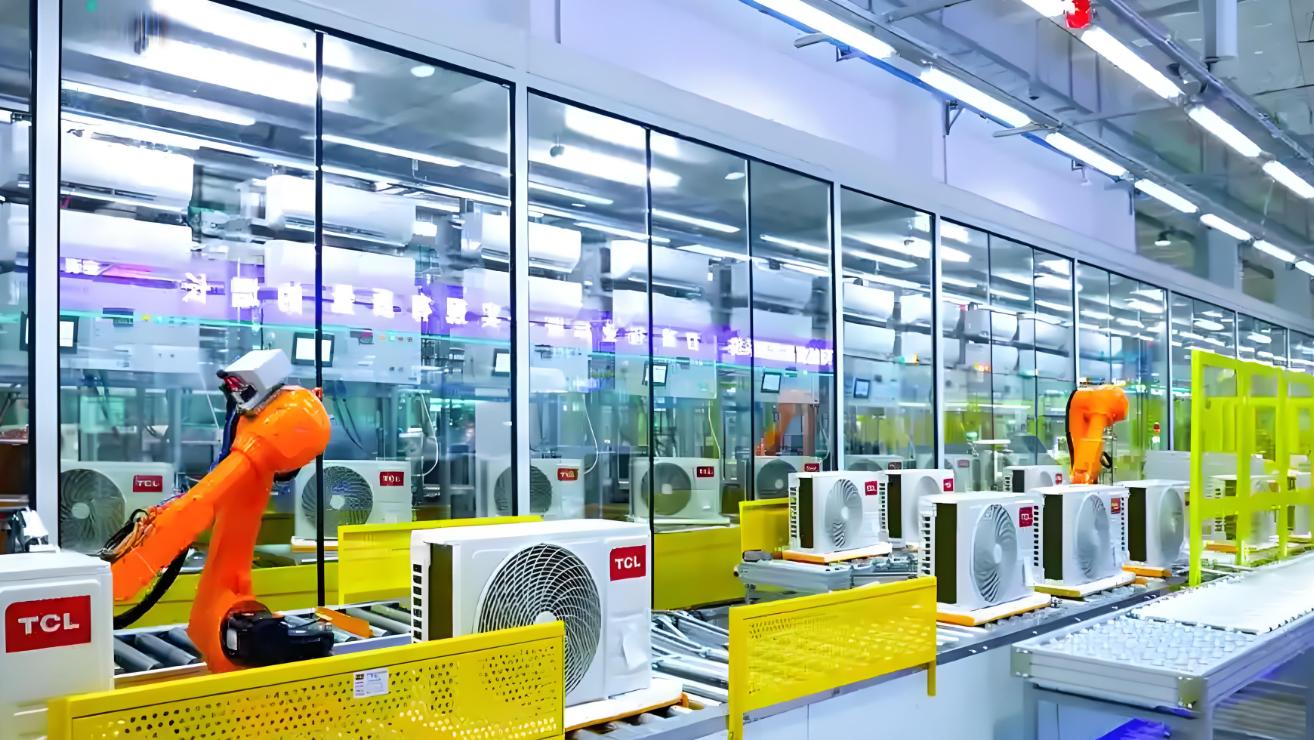
Improvements in HVAC (Heating, Ventilation, and Air Conditioning) and Refrigeration manufacturing have been driven by advancements in energy efficiency, sustainability, smart technology integration, automation, and enhanced system performance. These improvements aim to reduce energy consumption, improve product lifespan, meet environmental regulations, and provide consumers with more efficient and reliable systems. Below are the key categories of improvements in HVAC and Refrigeration manufacturing:
1. Energy Efficiency and Sustainability
High-Efficiency Components: Manufacturers are developing more energy-efficient components such as compressors, fans, and heat exchangers to improve the overall performance of HVAC and refrigeration systems. These components reduce energy consumption while maintaining optimal functionality.
Eco-Friendly Refrigerants: There has been a significant shift toward the use of low-global warming potential (GWP) and ozone-friendly refrigerants such as R-32, R-290 (propane), and CO2. These refrigerants have a lower environmental impact compared to traditional refrigerants like R-134a and R-22.
Variable Speed and Inverter Technology: The integration of variable speed drives (VSDs) and inverter technology in compressors, fans, and pumps allows HVAC and refrigeration systems to adjust their operation to meet demand. This leads to significant energy savings by running the system at optimized speeds rather than full capacity at all times.
Heat Recovery Systems: Many HVAC systems now feature heat recovery technologies, which capture excess heat from air conditioning or refrigeration processes and repurpose it for space heating, hot water generation, or other uses, improving overall energy efficiency.
Demand-Responsive Systems: Systems that can adjust their performance based on real-time environmental conditions (e.g., occupancy sensors, external temperatures, etc.) improve energy efficiency and reduce unnecessary energy consumption.
2. Smart and IoT Integration
Smart Thermostats and Controllers: Smart thermostats and controllers equipped with Wi-Fi and IoT (Internet of Things) connectivity enable users to control and monitor HVAC and refrigeration systems remotely through mobile apps, ensuring more convenient and efficient system management.
Predictive Maintenance: IoT sensors integrated into HVAC and refrigeration systems enable the monitoring of critical system parameters such as pressure, temperature, and airflow in real-time. These sensors can alert users and technicians to potential issues before they lead to failures, reducing downtime and maintenance costs.
Automation and AI: AI-powered systems use data from smart sensors and environmental conditions to automatically adjust the settings of HVAC systems. For example, AI-based systems can optimize energy use by learning from past usage patterns and adjusting accordingly for comfort and efficiency.
Integration with Building Management Systems (BMS): HVAC systems can now be integrated with building management systems (BMS) to allow for centralized monitoring and control of heating, cooling, ventilation, and refrigeration, improving efficiency across an entire building or facility.
3. Sustainability and Eco-Friendly Practices
Green Building Standards Compliance: Many manufacturers are aligning their products with green building standards such as LEED (Leadership in Energy and Environmental Design) and ASHRAE standards to meet sustainability goals. This involves designing energy-efficient systems, using sustainable materials, and ensuring low environmental impact throughout the product lifecycle.
Natural Refrigerants: In addition to eco-friendly refrigerants like CO2 and ammonia, manufacturers are increasingly using natural refrigerants like hydrocarbons (e.g., propane, isobutane) and water in systems. These refrigerants have a lower environmental impact and contribute to reducing the carbon footprint of HVAC and refrigeration systems.
Solar-Powered HVAC Systems: The integration of solar energy to power HVAC systems, either through solar thermal or photovoltaic technologies, is becoming more prevalent. This reduces reliance on grid power, lowers energy costs, and supports sustainable energy practices.
Recyclable and Sustainable Materials: Manufacturers are also focusing on using sustainable materials in system construction, such as recyclable metals, biodegradable plastics, and low-impact coatings, ensuring that HVAC and refrigeration products are environmentally responsible throughout their lifecycle.
4. Automation and Advanced Manufacturing Processes
Automation in Production: Automated assembly lines and robotic systems are being used to improve production speed, consistency, and quality in HVAC and refrigeration manufacturing. This leads to faster product development cycles, reduced labor costs, and higher precision in system assembly.
Additive Manufacturing (3D Printing): 3D printing is being explored for creating customized parts and prototypes in HVAC systems. This allows manufacturers to experiment with new designs, reduce prototyping costs, and quickly iterate product improvements.
Advanced Testing and Simulation: More sophisticated computer simulations and testing methods are now used to predict system performance under different conditions (e.g., varying temperatures, humidity levels). This allows for more accurate design, better system optimization, and improved product quality before production.
Lean Manufacturing: Many HVAC and refrigeration manufacturers have adopted lean manufacturing principles to reduce waste, streamline operations, and improve efficiency. This includes practices such as Just-in-Time (JIT) inventory management, continuous improvement (Kaizen), and waste reduction strategies.
5. Noise Reduction and Improved Comfort
Silent Operation: Advances in acoustic design and soundproofing technologies have allowed HVAC systems to operate more quietly. This is particularly important in residential, hospitality, and healthcare applications, where low noise levels are essential for comfort and well-being.
Improved Airflow Design: Manufacturers are focusing on airflow optimization to improve indoor air quality and provide more consistent and comfortable temperatures. Innovations in fan design, ductwork optimization, and air filtration technology are helping to create better comfort levels and energy savings.
Zoning Systems: Zoning systems that use multiple thermostats to control the temperature in different areas of a building are becoming more common. This enables users to tailor the heating and cooling of individual rooms or zones for maximum comfort and efficiency.
6. Advanced Refrigeration Technologies
Variable Refrigerant Flow (VRF) Systems: VRF systems are gaining popularity in both residential and commercial refrigeration. These systems use advanced controls and refrigerant flow management to deliver the optimal amount of heating or cooling to different areas of a building, improving energy efficiency and flexibility.
Magnetic Refrigeration: This emerging technology uses a magnetic field to cool products, offering an alternative to traditional refrigeration methods. Magnetic refrigeration is quieter, more energy-efficient, and has the potential to use eco-friendly refrigerants.
Cryogenic Cooling: For industrial and specialized applications, cryogenic cooling is being developed to achieve extremely low temperatures with high efficiency. This is particularly useful for advanced food storage, pharmaceuticals, and scientific research.
Low-Temperature Refrigeration: The development of low-temperature refrigeration systems for food preservation and industrial applications focuses on achieving ultra-low temperatures while reducing energy use and minimizing the environmental impact of traditional cooling methods.
7. Customization and Modular Systems
Modular HVAC Systems: Modular systems, such as modular air handlers and chillers, are becoming more popular as they allow for easier installation, expansion, and maintenance. These systems are particularly useful in large commercial applications and in buildings with fluctuating needs for heating and cooling.
Customizable Units: Manufacturers now offer more customizable options, where customers can select specific components (e.g., air filters, fans, compressors) to tailor HVAC systems to their specific needs. This is particularly important in commercial and industrial applications with unique requirements.
Flexible Refrigeration Solutions: Modular and customizable refrigeration solutions are also emerging, allowing users to create flexible refrigeration setups for various applications, such as cold storage, supermarkets, and medical facilities.
8. Smart Building Integration
Building Energy Management Systems (BEMS): HVAC and refrigeration systems are increasingly integrated with Building Energy Management Systems (BEMS) that monitor and optimize energy use across all building systems. This allows for centralized control, real-time monitoring, and data-driven decisions to optimize energy efficiency and cost savings.
Geothermal Systems: Geothermal heat pumps and systems that use the earth's natural heat as a heat source or sink are becoming a more viable option for both residential and commercial applications. These systems reduce the need for external heating and cooling energy sources and have lower operating costs in the long term.
Integration with Renewable Energy: HVAC and refrigeration systems are being integrated with solar power, wind energy, and other renewable sources. This helps to reduce reliance on traditional power grids and lower the environmental impact of building operations.
9. Health and Air Quality
Improved Air Filtration Systems: To address concerns about indoor air quality (IAQ), HVAC systems are now equipped with advanced air filtration technologies, such as HEPA filters and UV light purification, which help to reduce allergens, dust, bacteria, and viruses, ensuring healthier environments.
Ventilation Systems: Demand-controlled ventilation (DCV) systems are being developed to monitor and adjust ventilation rates based on occupancy or air quality, ensuring adequate fresh air and preventing energy waste.
Dehumidification: Advanced dehumidification systems are incorporated into HVAC systems, helping to control humidity levels in environments that require precise climate control, such as in hospitals, data centers, or food storage.
10. Cost Reduction and Value Engineering
Low-Cost Manufacturing Technologies: With the advent of advanced materials, automated assembly lines, and supply chain optimization, manufacturers are able to reduce the cost of producing HVAC and refrigeration systems while maintaining high performance and reliability.
Value Engineering: Manufacturers are increasingly focused on value engineering, optimizing system designs to provide high performance at a lower cost without sacrificing quality. This involves material selection, component optimization, and manufacturing processes aimed at reducing costs while improving product performance.
Improvements in HVAC (Heating, Ventilation, and Air Conditioning) and Refrigeration manufacturing have been driven by advancements in energy efficiency, sustainability, smart technology integration, automation, and enhanced system performance. These improvements aim to reduce energy consumption, improve product lifespan, meet environmental regulations, and provide consumers with more efficient and reliable systems. Below are the key categories of improvements in HVAC and Refrigeration manufacturing:
1. Energy Efficiency and Sustainability
High-Efficiency Components: Manufacturers are developing more energy-efficient components such as compressors, fans, and heat exchangers to improve the overall performance of HVAC and refrigeration systems. These components reduce energy consumption while maintaining optimal functionality.
Eco-Friendly Refrigerants: There has been a significant shift toward the use of low-global warming potential (GWP) and ozone-friendly refrigerants such as R-32, R-290 (propane), and CO2. These refrigerants have a lower environmental impact compared to traditional refrigerants like R-134a and R-22.
Variable Speed and Inverter Technology: The integration of variable speed drives (VSDs) and inverter technology in compressors, fans, and pumps allows HVAC and refrigeration systems to adjust their operation to meet demand. This leads to significant energy savings by running the system at optimized speeds rather than full capacity at all times.
Heat Recovery Systems: Many HVAC systems now feature heat recovery technologies, which capture excess heat from air conditioning or refrigeration processes and repurpose it for space heating, hot water generation, or other uses, improving overall energy efficiency.
Demand-Responsive Systems: Systems that can adjust their performance based on real-time environmental conditions (e.g., occupancy sensors, external temperatures, etc.) improve energy efficiency and reduce unnecessary energy consumption.
2. Smart and IoT Integration
Smart Thermostats and Controllers: Smart thermostats and controllers equipped with Wi-Fi and IoT (Internet of Things) connectivity enable users to control and monitor HVAC and refrigeration systems remotely through mobile apps, ensuring more convenient and efficient system management.
Predictive Maintenance: IoT sensors integrated into HVAC and refrigeration systems enable the monitoring of critical system parameters such as pressure, temperature, and airflow in real-time. These sensors can alert users and technicians to potential issues before they lead to failures, reducing downtime and maintenance costs.
Automation and AI: AI-powered systems use data from smart sensors and environmental conditions to automatically adjust the settings of HVAC systems. For example, AI-based systems can optimize energy use by learning from past usage patterns and adjusting accordingly for comfort and efficiency.
Integration with Building Management Systems (BMS): HVAC systems can now be integrated with building management systems (BMS) to allow for centralized monitoring and control of heating, cooling, ventilation, and refrigeration, improving efficiency across an entire building or facility.
3. Sustainability and Eco-Friendly Practices
Green Building Standards Compliance: Many manufacturers are aligning their products with green building standards such as LEED (Leadership in Energy and Environmental Design) and ASHRAE standards to meet sustainability goals. This involves designing energy-efficient systems, using sustainable materials, and ensuring low environmental impact throughout the product lifecycle.
Natural Refrigerants: In addition to eco-friendly refrigerants like CO2 and ammonia, manufacturers are increasingly using natural refrigerants like hydrocarbons (e.g., propane, isobutane) and water in systems. These refrigerants have a lower environmental impact and contribute to reducing the carbon footprint of HVAC and refrigeration systems.
Solar-Powered HVAC Systems: The integration of solar energy to power HVAC systems, either through solar thermal or photovoltaic technologies, is becoming more prevalent. This reduces reliance on grid power, lowers energy costs, and supports sustainable energy practices.
Recyclable and Sustainable Materials: Manufacturers are also focusing on using sustainable materials in system construction, such as recyclable metals, biodegradable plastics, and low-impact coatings, ensuring that HVAC and refrigeration products are environmentally responsible throughout their lifecycle.
4. Automation and Advanced Manufacturing Processes
Automation in Production: Automated assembly lines and robotic systems are being used to improve production speed, consistency, and quality in HVAC and refrigeration manufacturing. This leads to faster product development cycles, reduced labor costs, and higher precision in system assembly.
Additive Manufacturing (3D Printing): 3D printing is being explored for creating customized parts and prototypes in HVAC systems. This allows manufacturers to experiment with new designs, reduce prototyping costs, and quickly iterate product improvements.
Advanced Testing and Simulation: More sophisticated computer simulations and testing methods are now used to predict system performance under different conditions (e.g., varying temperatures, humidity levels). This allows for more accurate design, better system optimization, and improved product quality before production.
Lean Manufacturing: Many HVAC and refrigeration manufacturers have adopted lean manufacturing principles to reduce waste, streamline operations, and improve efficiency. This includes practices such as Just-in-Time (JIT) inventory management, continuous improvement (Kaizen), and waste reduction strategies.
5. Noise Reduction and Improved Comfort
Silent Operation: Advances in acoustic design and soundproofing technologies have allowed HVAC systems to operate more quietly. This is particularly important in residential, hospitality, and healthcare applications, where low noise levels are essential for comfort and well-being.
Improved Airflow Design: Manufacturers are focusing on airflow optimization to improve indoor air quality and provide more consistent and comfortable temperatures. Innovations in fan design, ductwork optimization, and air filtration technology are helping to create better comfort levels and energy savings.
Zoning Systems: Zoning systems that use multiple thermostats to control the temperature in different areas of a building are becoming more common. This enables users to tailor the heating and cooling of individual rooms or zones for maximum comfort and efficiency.
6. Advanced Refrigeration Technologies
Variable Refrigerant Flow (VRF) Systems: VRF systems are gaining popularity in both residential and commercial refrigeration. These systems use advanced controls and refrigerant flow management to deliver the optimal amount of heating or cooling to different areas of a building, improving energy efficiency and flexibility.
Magnetic Refrigeration: This emerging technology uses a magnetic field to cool products, offering an alternative to traditional refrigeration methods. Magnetic refrigeration is quieter, more energy-efficient, and has the potential to use eco-friendly refrigerants.
Cryogenic Cooling: For industrial and specialized applications, cryogenic cooling is being developed to achieve extremely low temperatures with high efficiency. This is particularly useful for advanced food storage, pharmaceuticals, and scientific research.
Low-Temperature Refrigeration: The development of low-temperature refrigeration systems for food preservation and industrial applications focuses on achieving ultra-low temperatures while reducing energy use and minimizing the environmental impact of traditional cooling methods.
7. Customization and Modular Systems
Modular HVAC Systems: Modular systems, such as modular air handlers and chillers, are becoming more popular as they allow for easier installation, expansion, and maintenance. These systems are particularly useful in large commercial applications and in buildings with fluctuating needs for heating and cooling.
Customizable Units: Manufacturers now offer more customizable options, where customers can select specific components (e.g., air filters, fans, compressors) to tailor HVAC systems to their specific needs. This is particularly important in commercial and industrial applications with unique requirements.
Flexible Refrigeration Solutions: Modular and customizable refrigeration solutions are also emerging, allowing users to create flexible refrigeration setups for various applications, such as cold storage, supermarkets, and medical facilities.
8. Smart Building Integration
Building Energy Management Systems (BEMS): HVAC and refrigeration systems are increasingly integrated with Building Energy Management Systems (BEMS) that monitor and optimize energy use across all building systems. This allows for centralized control, real-time monitoring, and data-driven decisions to optimize energy efficiency and cost savings.
Geothermal Systems: Geothermal heat pumps and systems that use the earth's natural heat as a heat source or sink are becoming a more viable option for both residential and commercial applications. These systems reduce the need for external heating and cooling energy sources and have lower operating costs in the long term.
Integration with Renewable Energy: HVAC and refrigeration systems are being integrated with solar power, wind energy, and other renewable sources. This helps to reduce reliance on traditional power grids and lower the environmental impact of building operations.
9. Health and Air Quality
Improved Air Filtration Systems: To address concerns about indoor air quality (IAQ), HVAC systems are now equipped with advanced air filtration technologies, such as HEPA filters and UV light purification, which help to reduce allergens, dust, bacteria, and viruses, ensuring healthier environments.
Ventilation Systems: Demand-controlled ventilation (DCV) systems are being developed to monitor and adjust ventilation rates based on occupancy or air quality, ensuring adequate fresh air and preventing energy waste.
Dehumidification: Advanced dehumidification systems are incorporated into HVAC systems, helping to control humidity levels in environments that require precise climate control, such as in hospitals, data centers, or food storage.
10. Cost Reduction and Value Engineering
Low-Cost Manufacturing Technologies: With the advent of advanced materials, automated assembly lines, and supply chain optimization, manufacturers are able to reduce the cost of producing HVAC and refrigeration systems while maintaining high performance and reliability.
Value Engineering: Manufacturers are increasingly focused on value engineering, optimizing system designs to provide high performance at a lower cost without sacrificing quality. This involves material selection, component optimization, and manufacturing processes aimed at reducing costs while improving product performance.
[ Retract  ]
]