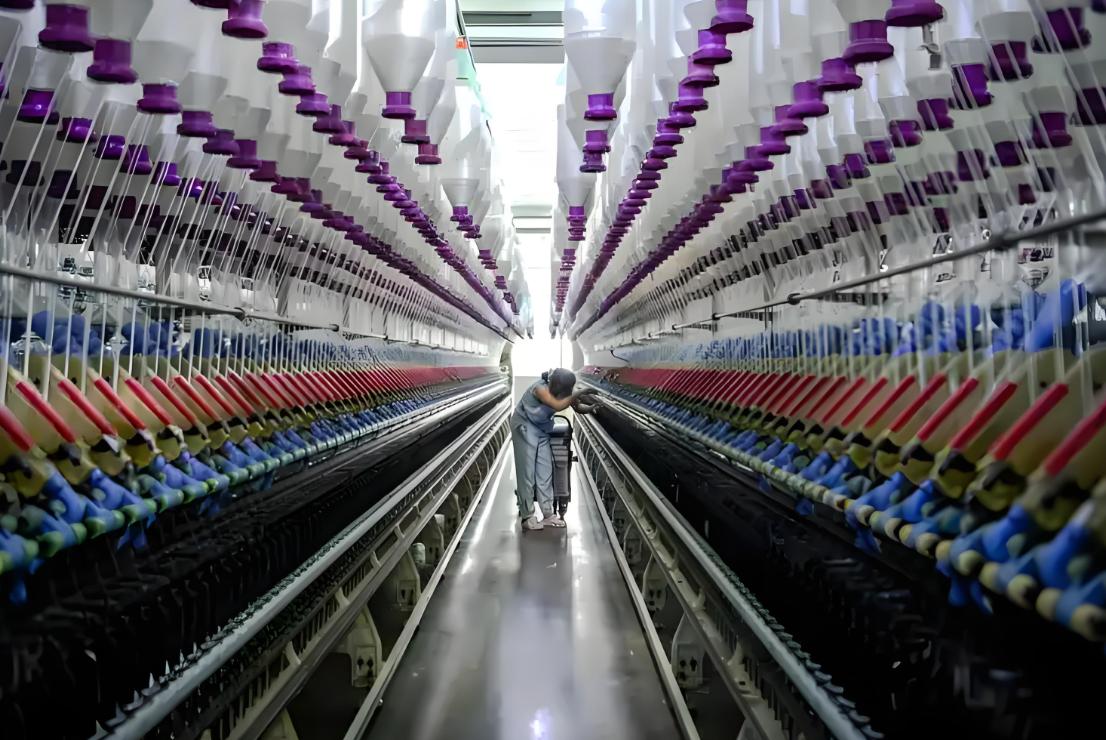
Improvements in Textile & Apparel Manufacturing are focused on enhancing efficiency, sustainability, product quality, and the ability to meet consumer demands in a fast-changing market. With the rise of technology, environmental concerns, and the demand for faster production cycles, there has been significant progress in this industry. Below are the key categories of improvements in Textile & Apparel Manufacturing:
1. Sustainability and Eco-Friendly Practices
Sustainable Materials: The use of eco-friendly fabrics such as organic cotton, hemp, bamboo, recycled polyester, and Tencel to reduce environmental impact and dependency on non-renewable resources.
Water Usage Reduction: Implementing waterless dyeing technologies, such as air dyeing and supercritical CO2 dyeing, to reduce water consumption in textile processing, which is traditionally water-intensive.
Chemical Management: Adopting safer, non-toxic chemicals for dyeing, finishing, and other processes. The Zero Discharge of Hazardous Chemicals (ZDHC) initiative aims to eliminate harmful substances from the textile industry.
Closed-Loop Recycling: Developing closed-loop recycling systems where fabrics are recycled back into new textiles at the end of their lifecycle, reducing waste and encouraging a circular economy. Companies like Patagonia have pioneered the use of recycled materials in their garments.
Biodegradable Fabrics: Developing fabrics that are biodegradable or compostable to reduce landfill waste. Materials such as plant-based fibers and bioplastics offer sustainable alternatives to traditional synthetic fabrics.
2. Automation and Digitalization
Smart Manufacturing: The introduction of smart textiles that can monitor and respond to environmental conditions (e.g., wearable tech integrated into fabrics). These innovations are often powered by sensors, conductive threads, or nanotechnology.
Robotics and Automation: Automation technologies such as robotic arms, automated sewing, and laser cutting are being used in garment manufacturing to improve precision, speed up production, reduce labor costs, and minimize errors.
3D Knitting and Printing: 3D knitting machines and 3D printing are changing the production process by creating garments directly from digital files. This enables customized designs, faster production, and less waste compared to traditional garment-making processes.
AI and Machine Learning: Artificial Intelligence (AI) is being used to optimize production lines, predict fashion trends, forecast demand, and improve supply chain efficiency. Machine learning algorithms are also being applied to quality control processes, improving consistency and reducing defects.
IoT Integration: The Internet of Things (IoT) is being integrated into textile machines and factories, enabling real-time monitoring of production, energy usage, and machine performance, which improves efficiency and reduces downtime.
3. Efficiency and Cost Reduction
Lean Manufacturing: Implementing lean manufacturing principles to minimize waste, reduce lead times, and improve overall operational efficiency. This includes optimizing layouts, reducing idle time, and better managing inventory.
Energy Efficiency: Upgrading energy-efficient machinery and utilizing renewable energy sources (e.g., solar or wind) to reduce energy consumption in manufacturing plants. Energy-efficient systems can also include heat recovery methods and LED lighting.
Fast Fashion Optimization: Reducing time-to-market through just-in-time (JIT) manufacturing, on-demand production, and local sourcing, which helps companies respond quickly to changing trends and consumer demands while reducing excess inventory.
Supply Chain Optimization: Streamlining logistics and supply chain management to reduce costs and improve delivery times. This includes the use of RFID tags for real-time tracking of materials and finished goods, as well as optimized transportation routes.
4. Product Quality and Innovation
High-Performance Fabrics: Developing high-performance fabrics with enhanced qualities such as moisture-wicking, UV protection, flame resistance, and antimicrobial properties, to meet consumer demands for functional clothing.
Smart Textiles and Wearables: Innovations in smart textiles that integrate electronics for applications in healthcare, sports, and military garments. This includes flexible sensors, heating/cooling textiles, and clothing with embedded LEDs for health monitoring or enhanced functionality.
Nanotechnology: The application of nanotechnology in textiles to create fabrics with enhanced properties, such as self-cleaning, increased durability, water resistance, and anti-odor capabilities.
Customized and Personalized Clothing: Adopting technologies like 3D scanning and personalized fitting systems to create customized garments for consumers, offering a perfect fit, unique designs, and personalized style preferences.
Fabric Innovation: The development of new fabrics with improved properties such as stretchability, breathability, moisture control, and lightweight performance, enhancing comfort, durability, and versatility in apparel.
5. Supply Chain Transparency and Traceability
Blockchain for Transparency: Using blockchain technology to improve traceability throughout the supply chain, from raw material sourcing to manufacturing and distribution. This ensures transparency, reducing fraud and improving ethical sourcing practices.
Digital Supply Chain Platforms: Implementing digital platforms that allow for end-to-end tracking of raw materials, inventory, and finished products, improving visibility and coordination across the supply chain.
Ethical Sourcing and Fair Trade: Adopting practices that ensure ethical sourcing, including fair wages and safe working conditions for factory workers. Certifications like Fair Trade and OEKO-TEX help ensure compliance with labor and environmental standards.
6. Speed and Flexibility in Production
On-Demand Manufacturing: Moving towards on-demand or made-to-order production to reduce overproduction and inventory, allowing manufacturers to produce only what is needed, based on actual consumer demand.
Flexible Manufacturing Systems (FMS): Implementing flexible manufacturing systems that can quickly adapt to changes in production needs, allowing manufacturers to produce different styles, sizes, or designs with minimal downtime.
Rapid Prototyping: Using rapid prototyping and digital fabric printing to create samples and designs quickly, reducing lead time for new product development.
Shortening Production Cycles: Using advanced technologies and agile manufacturing methods to reduce production cycles, helping companies respond more rapidly to market demands and trends in the fashion industry.
7. Waste Reduction and Circular Economy
Zero-Waste Design: Implementing zero-waste design principles that minimize fabric waste during the garment-making process, including the use of pattern making techniques that optimize fabric usage.
Upcycling and Recycling: Focusing on recycling and upcycling post-consumer textile waste into new products, reducing the environmental impact of the fashion industry and promoting a circular economy.
Fabric Waste Management: Using technologies and processes to reduce fabric waste, such as automated cutting systems that optimize fabric usage and avoid excess scrap.
Closed-Loop Manufacturing: Creating systems for collecting and reprocessing discarded clothing to be transformed into new fibers, which can then be used to create new garments or textiles, reducing waste and increasing material reuse.
8. Workforce Development and Labor Efficiency
Skilled Workforce Training: Providing training and development programs for workers to operate advanced technologies such as automated sewing machines, 3D printers, and robotic systems, improving labor efficiency and product quality.
Ergonomic Workstations: Redesigning workstations and production lines to improve worker ergonomics, reduce physical strain, and enhance productivity in manufacturing facilities.
Collaborative Robots: Integrating collaborative robots in factories to assist workers with repetitive or physically demanding tasks, reducing injury risks and increasing production efficiency.
9. Technology Integration in Design and Development
Digital Fabrication Tools: Adopting CAD (Computer-Aided Design) and CAM (Computer-Aided Manufacturing) tools in product design, enabling more precise designs, quicker revisions, and better coordination between designers and manufacturers.
Virtual and Augmented Reality: Using VR and AR to help designers visualize garments in 3D before production, reducing design flaws and increasing creativity in the design process.
Virtual Sampling and Prototyping: Implementing virtual sampling systems that allow designers to create and review garment prototypes digitally, reducing the need for physical samples and minimizing material waste.
Cloud-Based Collaboration Platforms: Facilitating collaboration between design teams, manufacturers, and suppliers using cloud-based platforms, enabling real-time updates, document sharing, and project management.
10. Consumer Trends and Product Customization
Mass Customization: Offering consumers the ability to customize products based on color, size, style, or personal preferences through online platforms and advanced manufacturing techniques, providing a more personalized shopping experience.
On-Demand Production and Direct-to-Consumer (DTC) Channels: Leveraging on-demand manufacturing and DTC sales channels to cater to shifting consumer preferences for quicker access to customized or limited-edition products.
Fashion Tech and Smart Apparel: Integrating wearable technology into apparel, such as fitness-tracking clothing, temperature-regulating garments, and clothes with built-in electronics, to align with tech-savvy consumer interests.
Subscription and Rental Models: Introducing subscription-based clothing services and fashion rental models, allowing consumers to enjoy a rotating wardrobe without purchasing new garments, promoting sustainability in the industry.
Improvements in Textile & Apparel Manufacturing are focused on enhancing efficiency, sustainability, product quality, and the ability to meet consumer demands in a fast-changing market. With the rise of technology, environmental concerns, and the demand for faster production cycles, there has been significant progress in this industry. Below are the key categories of improvements in Textile & Apparel Manufacturing:
1. Sustainability and Eco-Friendly Practices
Sustainable Materials: The use of eco-friendly fabrics such as organic cotton, hemp, bamboo, recycled polyester, and Tencel to reduce environmental impact and dependency on non-renewable resources.
Water Usage Reduction: Implementing waterless dyeing technologies, such as air dyeing and supercritical CO2 dyeing, to reduce water consumption in textile processing, which is traditionally water-intensive.
Chemical Management: Adopting safer, non-toxic chemicals for dyeing, finishing, and other processes. The Zero Discharge of Hazardous Chemicals (ZDHC) initiative aims to eliminate harmful substances from the textile industry.
Closed-Loop Recycling: Developing closed-loop recycling systems where fabrics are recycled back into new textiles at the end of their lifecycle, reducing waste and encouraging a circular economy. Companies like Patagonia have pioneered the use of recycled materials in their garments.
Biodegradable Fabrics: Developing fabrics that are biodegradable or compostable to reduce landfill waste. Materials such as plant-based fibers and bioplastics offer sustainable alternatives to traditional synthetic fabrics.
2. Automation and Digitalization
Smart Manufacturing: The introduction of smart textiles that can monitor and respond to environmental conditions (e.g., wearable tech integrated into fabrics). These innovations are often powered by sensors, conductive threads, or nanotechnology.
Robotics and Automation: Automation technologies such as robotic arms, automated sewing, and laser cutting are being used in garment manufacturing to improve precision, speed up production, reduce labor costs, and minimize errors.
3D Knitting and Printing: 3D knitting machines and 3D printing are changing the production process by creating garments directly from digital files. This enables customized designs, faster production, and less waste compared to traditional garment-making processes.
AI and Machine Learning: Artificial Intelligence (AI) is being used to optimize production lines, predict fashion trends, forecast demand, and improve supply chain efficiency. Machine learning algorithms are also being applied to quality control processes, improving consistency and reducing defects.
IoT Integration: The Internet of Things (IoT) is being integrated into textile machines and factories, enabling real-time monitoring of production, energy usage, and machine performance, which improves efficiency and reduces downtime.
3. Efficiency and Cost Reduction
Lean Manufacturing: Implementing lean manufacturing principles to minimize waste, reduce lead times, and improve overall operational efficiency. This includes optimizing layouts, reducing idle time, and better managing inventory.
Energy Efficiency: Upgrading energy-efficient machinery and utilizing renewable energy sources (e.g., solar or wind) to reduce energy consumption in manufacturing plants. Energy-efficient systems can also include heat recovery methods and LED lighting.
Fast Fashion Optimization: Reducing time-to-market through just-in-time (JIT) manufacturing, on-demand production, and local sourcing, which helps companies respond quickly to changing trends and consumer demands while reducing excess inventory.
Supply Chain Optimization: Streamlining logistics and supply chain management to reduce costs and improve delivery times. This includes the use of RFID tags for real-time tracking of materials and finished goods, as well as optimized transportation routes.
4. Product Quality and Innovation
High-Performance Fabrics: Developing high-performance fabrics with enhanced qualities such as moisture-wicking, UV protection, flame resistance, and antimicrobial properties, to meet consumer demands for functional clothing.
Smart Textiles and Wearables: Innovations in smart textiles that integrate electronics for applications in healthcare, sports, and military garments. This includes flexible sensors, heating/cooling textiles, and clothing with embedded LEDs for health monitoring or enhanced functionality.
Nanotechnology: The application of nanotechnology in textiles to create fabrics with enhanced properties, such as self-cleaning, increased durability, water resistance, and anti-odor capabilities.
Customized and Personalized Clothing: Adopting technologies like 3D scanning and personalized fitting systems to create customized garments for consumers, offering a perfect fit, unique designs, and personalized style preferences.
Fabric Innovation: The development of new fabrics with improved properties such as stretchability, breathability, moisture control, and lightweight performance, enhancing comfort, durability, and versatility in apparel.
5. Supply Chain Transparency and Traceability
Blockchain for Transparency: Using blockchain technology to improve traceability throughout the supply chain, from raw material sourcing to manufacturing and distribution. This ensures transparency, reducing fraud and improving ethical sourcing practices.
Digital Supply Chain Platforms: Implementing digital platforms that allow for end-to-end tracking of raw materials, inventory, and finished products, improving visibility and coordination across the supply chain.
Ethical Sourcing and Fair Trade: Adopting practices that ensure ethical sourcing, including fair wages and safe working conditions for factory workers. Certifications like Fair Trade and OEKO-TEX help ensure compliance with labor and environmental standards.
6. Speed and Flexibility in Production
On-Demand Manufacturing: Moving towards on-demand or made-to-order production to reduce overproduction and inventory, allowing manufacturers to produce only what is needed, based on actual consumer demand.
Flexible Manufacturing Systems (FMS): Implementing flexible manufacturing systems that can quickly adapt to changes in production needs, allowing manufacturers to produce different styles, sizes, or designs with minimal downtime.
Rapid Prototyping: Using rapid prototyping and digital fabric printing to create samples and designs quickly, reducing lead time for new product development.
Shortening Production Cycles: Using advanced technologies and agile manufacturing methods to reduce production cycles, helping companies respond more rapidly to market demands and trends in the fashion industry.
7. Waste Reduction and Circular Economy
Zero-Waste Design: Implementing zero-waste design principles that minimize fabric waste during the garment-making process, including the use of pattern making techniques that optimize fabric usage.
Upcycling and Recycling: Focusing on recycling and upcycling post-consumer textile waste into new products, reducing the environmental impact of the fashion industry and promoting a circular economy.
Fabric Waste Management: Using technologies and processes to reduce fabric waste, such as automated cutting systems that optimize fabric usage and avoid excess scrap.
Closed-Loop Manufacturing: Creating systems for collecting and reprocessing discarded clothing to be transformed into new fibers, which can then be used to create new garments or textiles, reducing waste and increasing material reuse.
8. Workforce Development and Labor Efficiency
Skilled Workforce Training: Providing training and development programs for workers to operate advanced technologies such as automated sewing machines, 3D printers, and robotic systems, improving labor efficiency and product quality.
Ergonomic Workstations: Redesigning workstations and production lines to improve worker ergonomics, reduce physical strain, and enhance productivity in manufacturing facilities.
Collaborative Robots: Integrating collaborative robots in factories to assist workers with repetitive or physically demanding tasks, reducing injury risks and increasing production efficiency.
9. Technology Integration in Design and Development
Digital Fabrication Tools: Adopting CAD (Computer-Aided Design) and CAM (Computer-Aided Manufacturing) tools in product design, enabling more precise designs, quicker revisions, and better coordination between designers and manufacturers.
Virtual and Augmented Reality: Using VR and AR to help designers visualize garments in 3D before production, reducing design flaws and increasing creativity in the design process.
Virtual Sampling and Prototyping: Implementing virtual sampling systems that allow designers to create and review garment prototypes digitally, reducing the need for physical samples and minimizing material waste.
Cloud-Based Collaboration Platforms: Facilitating collaboration between design teams, manufacturers, and suppliers using cloud-based platforms, enabling real-time updates, document sharing, and project management.
10. Consumer Trends and Product Customization
Mass Customization: Offering consumers the ability to customize products based on color, size, style, or personal preferences through online platforms and advanced manufacturing techniques, providing a more personalized shopping experience.
On-Demand Production and Direct-to-Consumer (DTC) Channels: Leveraging on-demand manufacturing and DTC sales channels to cater to shifting consumer preferences for quicker access to customized or limited-edition products.
Fashion Tech and Smart Apparel: Integrating wearable technology into apparel, such as fitness-tracking clothing, temperature-regulating garments, and clothes with built-in electronics, to align with tech-savvy consumer interests.
Subscription and Rental Models: Introducing subscription-based clothing services and fashion rental models, allowing consumers to enjoy a rotating wardrobe without purchasing new garments, promoting sustainability in the industry.
[ Retract  ]
]